Introduction
In modern industrial water treatment systems, choosing the right coagulant directly impacts treatment efficiency, operating costs, sludge generation, and discharge compliance. Among various inorganic coagulants available today, Industrial Polyaluminium Chloride 28% (PAC 28%) has become one of the most widely used and cost-effective solutions for wastewater treatment plants around the world.
Whether treating textile wastewater, paper mill effluent, municipal sewage, mining wastewater, or chemical industry discharge, PAC 28% for wastewater treatment offers fast coagulation performance, excellent turbidity removal, and stable operation across different water conditions.
As environmental regulations continue to tighten globally, more industries are replacing traditional aluminum sulfate with high efficiency Polyaluminium Chloride coagulant to improve treatment efficiency and reduce total chemical consumption.
What Is Industrial Polyaluminium Chloride 28%?
Industrial Polyaluminium Chloride 28%, commonly known as PAC 28%, is an inorganic polymer coagulant with an aluminum oxide (Al₂O₃) content of approximately 28%.
Compared with conventional coagulants, PAC has:
●Stronger adsorption capacity
●Faster floc formation
●Better sedimentation performance
●Wider pH adaptability
●Lower sludge generation
Because of these advantages, Industrial PAC 28% is widely used in both industrial and municipal water treatment systems.
Why Is PAC 28% Widely Used in Wastewater Treatment?
1. Fast Flocculation Performance
One of the biggest advantages of PAC 28% coagulant is its rapid floc formation capability. After dosing, suspended solids and colloidal particles quickly aggregate into larger flocs, making sedimentation easier and faster.
This significantly improves:
●Clarification efficiency
●Sedimentation speed
●Filtration performance
2. Lower Chemical Consumption
Compared with aluminum sulfate, Industrial Polyaluminium Chloride 28% usually requires lower dosage while delivering better treatment performance.
Benefits include:
●Lower operating costs
●Reduced storage requirements
●Less sludge handling expenses
3. Wide pH Adaptability
Another important advantage of PAC 28% for industrial wastewater treatment is its excellent adaptability across different pH ranges.
This allows stable performance even when treating:
●Acidic wastewater
●Alkaline wastewater
●High salinity wastewater
●Variable industrial effluents
Main Applications of Industrial PAC 28%
1.Textile & Dyeing Wastewater Treatment
Textile wastewater often contains:
●High color
●Organic pollutants
●Suspended solids
●Surfactants
Using PAC for textile wastewater treatment helps remove color and improve sedimentation efficiency.
2.Paper Mill Wastewater Treatment
Paper mill wastewater contains fibers, lignin, and suspended solids. Industrial PAC 28% can effectively reduce turbidity and improve sludge dewatering performance.
3.Municipal Sewage Treatment
Municipal wastewater plants use PAC 28% water treatment chemical for:
●Primary clarification
●Phosphorus removal
●Sludge conditioning
●Effluent polishing
4.Mining & Mineral Processing
Mining wastewater usually contains fine suspended particles that are difficult to settle naturally. PAC 28% flocculant accelerates solid-liquid separation and improves water recycling efficiency.
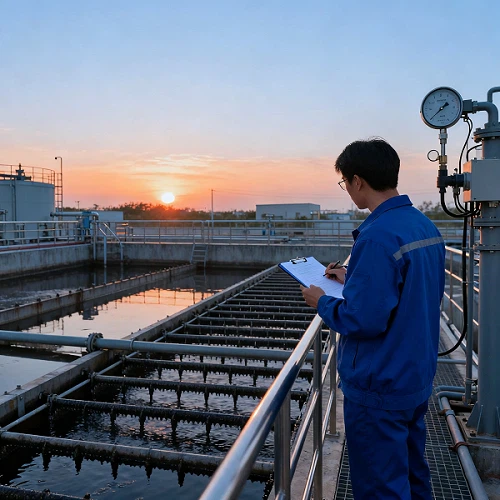
How to Use Industrial Polyaluminium Chloride 28%
Step 1: Prepare PAC Solution
Dissolve PAC 28% powder into clean water at a concentration of 5%-10%.
Step 2: Add Into Wastewater System
Use dosing pumps to inject the solution into reaction tanks or pipelines.
Step 3: Rapid Mixing
Rapid mixing helps distribute the coagulant evenly and improve flocculation efficiency.
Step 4: Sedimentation
After floc formation, solids settle rapidly, allowing clean water separation.
Key Benefits of Choosing High Quality PAC 28%
1.Improve Water Clarity
High quality PAC water treatment chemical significantly reduces turbidity and suspended solids
2.Reduce Overall Operating Costs
Lower dosage and better treatment performance help reduce:
●Chemical costs
●Sludge disposal costs
●Equipment maintenance expenses
3.Improve Environmental Compliance
Stable coagulation performance helps industries comply with stricter wastewater discharge regulations.
PAC 28% vs Aluminum Sulfate
| Item | PAC 28% | Aluminum Sulfate |
|---|---|---|
| Flocculation Speed | Fast | Slower |
| Dosage | Lower | Higher |
| Sludge Volume | Lower | Higher |
| pH Adaptability | Wide | Narrow |
| Treatment Efficiency | High | Medium |
How to Choose the Right PAC Supplier
When selecting a Polyaluminium Chloride supplier, consider:
●Stable Al₂O₃ content
●Low insoluble matter
●Fast dissolution speed
●Consistent production quality
●Export experience
●Technical support capability
ECOLINK TECHNOLOGY as a reliable suppliers can help customers optimize dosage and reduce overall treatment costs.
Frequently Asked Questions About PAC 28%
What is PAC 28% used for?
It is mainly used for industrial wastewater treatment, municipal sewage treatment, and water clarification.
Is PAC 28% suitable for textile wastewater?
Yes. It performs very well in removing color and suspended solids from textile wastewater.
How much PAC should be added?
The dosage depends on wastewater conditions and should be determined through jar testing.
Conclusion
As environmental regulations become stricter and industries seek more efficient treatment technologies, Industrial Polyaluminium Chloride 28% continues to play a critical role in modern wastewater treatment systems.
With advantages such as:
●Fast coagulation
●Low dosage
●Excellent sedimentation
●Wide application range
●Reduced sludge production
PAC 28% for wastewater treatment has become one of the most reliable and cost-effective water treatment chemicals worldwide.
For industries looking to improve treatment performance while reducing operational costs, choosing a high-quality Industrial PAC 28% supplier is an important step toward sustainable wastewater management.