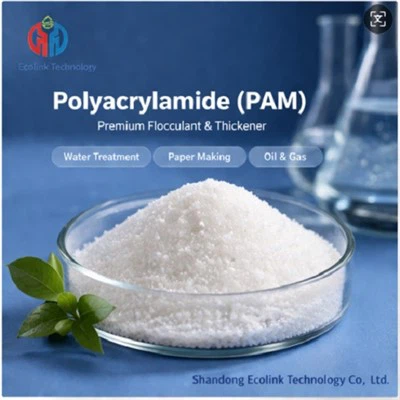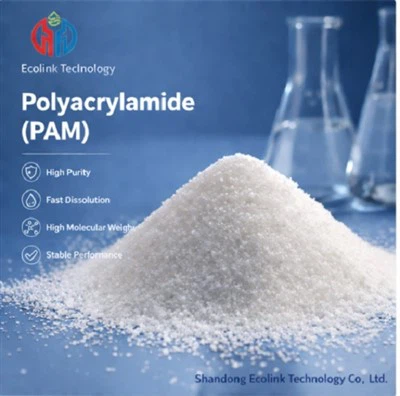
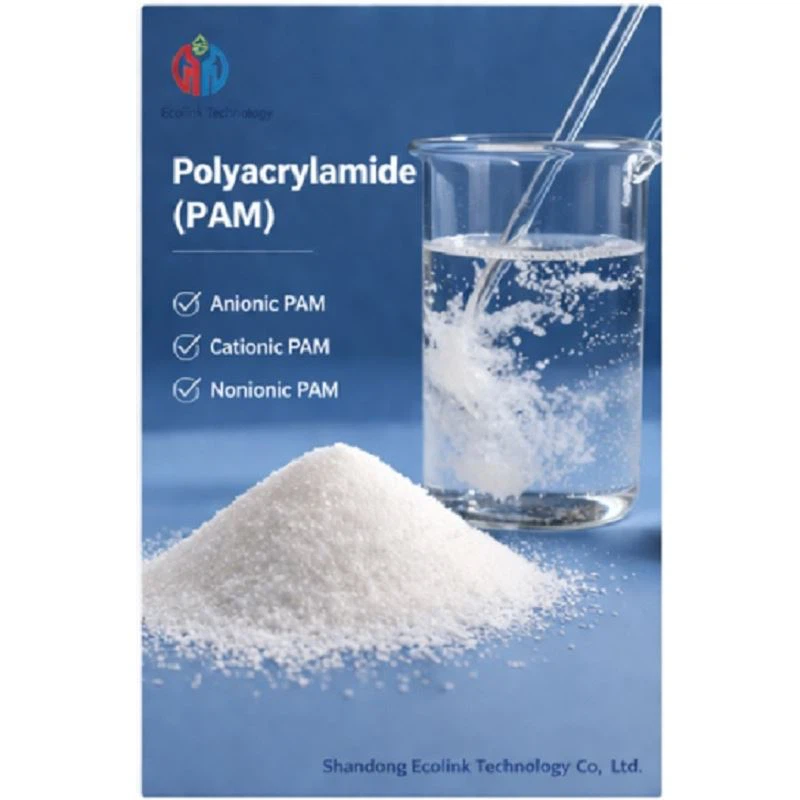
Shandong Ecolink Technology Co., Ltd. is one of the most reliable manufacturers and suppliers of cas number 9003 05 8 in China, featured by quality products and good service. If you're going to wholesale high quality cas number 9003 05 8, welcome to get more information from our factory.
Product Overview
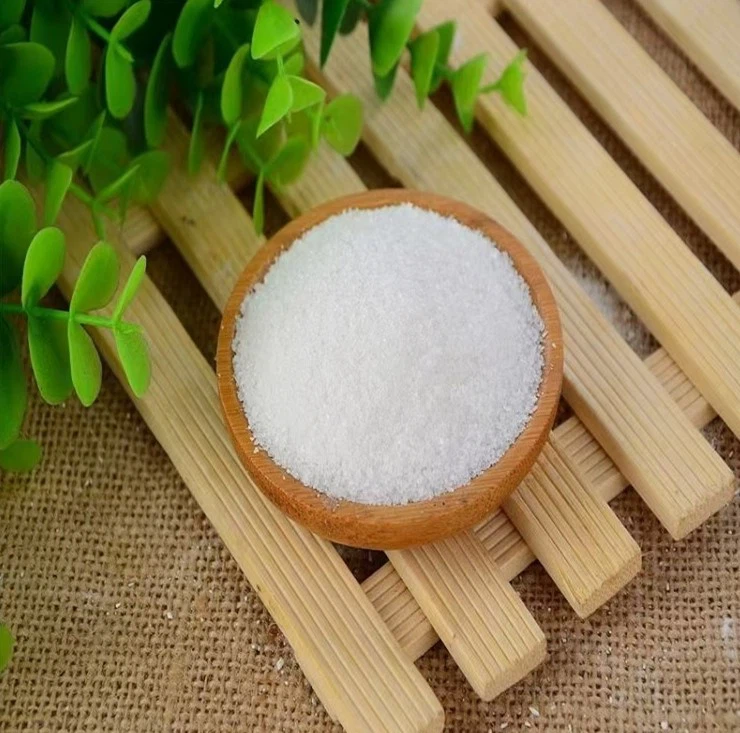
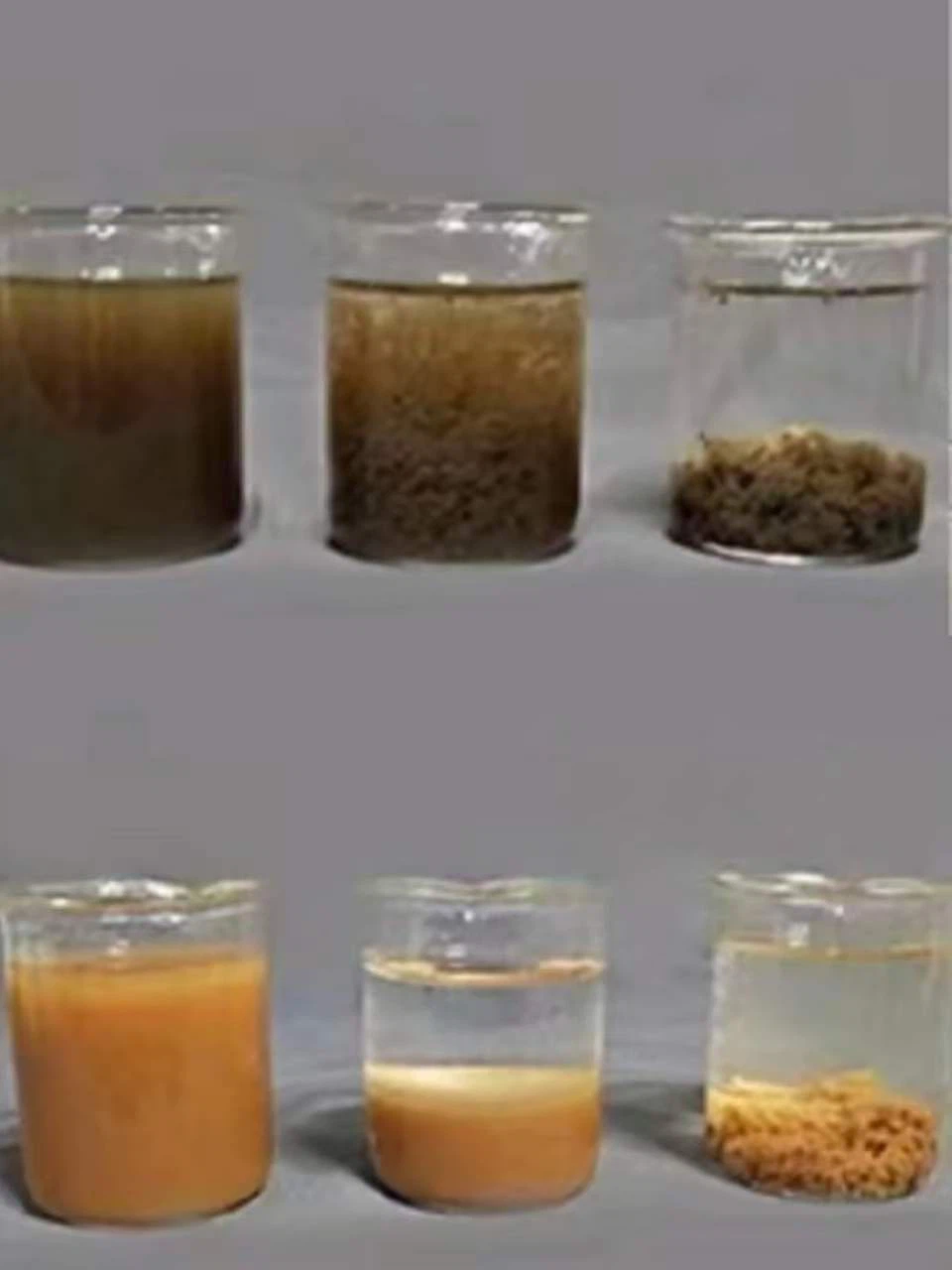
Cationic Polyacrylamide (CPAM) is primarily used for sludge dewatering and wastewater treatment. As a high-molecular flocculant, it delivers superior flocculation performance at lower dosage levels, helping customers address issues such as high chemical consumption, unstable treatment results, and high sludge moisture content.
This product achieves better flocculation with reduced dosage, producing drier sludge and faster processing, thereby effectively lowering transportation and operational costs. Compared with traditional products, CPAM is more cost-efficient, requires less chemical usage, offers stable performance, and reduces operational complexity as well as after-sales issues.
Products Description
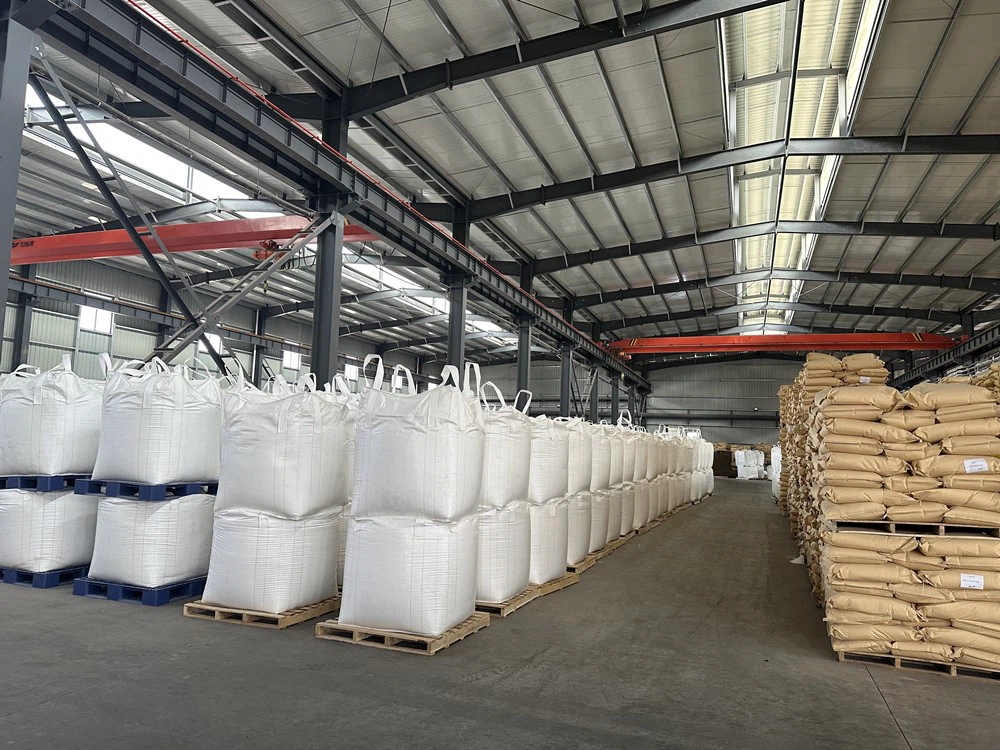
Our CPAM is manufactured based on a mature production process and a strict process control system. Key parameters such as molecular weight, ionic degree, and purity are maintained with long-term stability. Through full-process quality monitoring and multiple testing methods, we ensure consistent performance under varying water quality conditions. Compared with products on the market that may show performance fluctuations, we place greater emphasis on batch consistency, reducing customer usage risks at the source.
Cationic Polyacrylamide (CPAM) is a polyacrylamide polymer containing positively charged functional groups along its molecular chain. It is highly soluble in water and can form a clear solution even at low concentrations. Due to its cationic nature, it acts as an efficient solid-liquid separation agent by attracting and binding negatively charged particles and suspended solids in water, resulting in flocculation and sedimentation. This characteristic makes CPAM highly valuable in municipal and industrial wastewater treatment.
As an industrial water treatment chemical, its unique properties promote floc growth, enhance sedimentation efficiency, and contribute to the production of high-quality treated water. By incorporating CPAM into the treatment process, enterprises can improve efficiency, reduce costs, and enhance water quality. This versatile solution ensures optimal performance while supporting sustainable water resource management.
Product Parameter (specification)
|
Parameter |
Specification |
Remarks |
|
Appearance |
White granules or powder |
|
|
Molecular Weight |
8-15 million |
Recommended range: 10-12 million |
|
Ionic Degree |
10%-60% |
Common range: 20%-50% |
|
Solid Content |
≥88%-90% |
|
|
Insoluble Content |
≤0.2% |
|
|
Residual Monomer |
≤0.05%-0.1% |
Meets drinking water treatment standards |
|
Effective pH Range |
4-9 |
Optimal in neutral to slightly acidic conditions |
|
Dissolution Time |
≤60 minutes |
Recommended mixing for 1 hour |
|
Apparent Viscosity |
≥11.5 mPa·s |
1% aqueous solution |
|
Product Form |
Dry Powder |
25kg laminated woven bag or paper-plastic composite bag |
|
Shelf Life |
2 years |
Store in a cool, dry place |
Selection Guide by Ionic Degree
|
Ionic Degree |
Application Scenarios |
Characteristics |
|
Low Ionic Degree (10%-25%) |
Low concentration organic wastewater, pretreatment stage |
Low charge density, mainly adsorption bridging effect |
|
Medium Ionic Degree (25%-40%) |
Municipal sewage, mixed sludge dewatering |
Balanced charge neutralization and bridging effect, most widely used |
|
High Ionic Degree (40%-60%) |
High concentration organic wastewater, difficult-to-dewater sludge |
High charge density, strong charge neutralization ability, fast flocculation speed |
Product Applications
In the water treatment industry, Polyacrylamide (PAM) is mainly applied in three areas: raw water treatment, sewage treatment, and industrial wastewater treatment. In raw water treatment, PAM acts as a flocculant to remove suspended particles. In sewage treatment, it is primarily used for sludge dewatering. In industrial wastewater treatment, PAM can be used alone or in combination with other chemicals to treat process wastewater, serving as a typical flocculant solution for wastewater treatment.
In industrial water treatment, Polyacrylamide (PAM) has a wide range of applications:
- Flocculation and Sedimentation: As a flocculant, PAM aggregates suspended solids, colloids, organic matter, and other contaminants into larger flocs, facilitating subsequent sedimentation or filtration and improving water clarity and purification efficiency.
- Recommended combination: PAM (Anionic/Cationic) + Polyaluminum Chloride (PAC). PAC handles coagulation, while PAM enhances flocculation, resulting in more stable performance and highlighting its core role as a wastewater treatment flocculant.
- Dewatering Treatment: Wastewater or liquid containing high levels of suspended solids generated during industrial processes often requires dewatering to reduce volume and facilitate further treatment. PAM can be used as a dewatering agent to improve solid-liquid separation efficiency.
- Recommended combination: Cationic PAM (CPAM) + sludge dewatering equipment, forming a complete chemical + equipment solution. This is especially critical in sludge dewatering applications.
- Oil-Water Separation: Oily wastewater generated in industries such as oil extraction and petrochemicals requires effective separation. PAM acts as an oil-water separation agent, helping to rapidly separate oil, grease, and suspended solids from water.
- Recommended combination: PAM + demulsifier + PAC. The combined use of multiple chemicals delivers more effective treatment results, demonstrating its importance in industrial water treatment.
- Water Quality Adjustment: In certain industrial processes, water quality must be adjusted to meet production requirements or protect equipment. PAM can be used as a water conditioning agent to regulate parameters such as pH, hardness, and ion content.
- Recommended combination: PAM + pH regulators (acid/alkali) + PAC, forming a complete water treatment chemical system.
- Sludge Dewatering: Our anionic and cationic polyacrylamide products are widely used in sludge dewatering processes for industrial and municipal wastewater treatment. They help increase settling speed, improve filtration efficiency, and promote solid-liquid separation.
- Recommended combination: Cationic PAM (CPAM) + Anionic PAM (APAM), using different grades at different stages to enhance overall treatment performance.
- Other Applications: In addition to the above, PAM is also used in industries such as textiles, papermaking, food processing, and electroplating for suspended solids removal, sludge dewatering, and solid-liquid separation processes.

Service
Selecting the appropriate CPAM grade depends on factors such as wastewater composition, solid concentration, and system design. Our team provides customized solutions to ensure optimal performance, maximum cost-effectiveness, and stable treatment results for your specific application.
Why Choose Our Cationic Polyacrylamide (CPAM)?
High Purity and Quality: Manufactured under strict quality control to ensure reliable performance. Helps customers avoid unstable treatment results caused by product variability, reducing trial-and-error costs and operational risks.
Customized Molecular Weight: Available in low, medium, and high molecular weight grades. Helps customers precisely match application requirements, improve treatment efficiency, and avoid overdosing and waste.
Technical Support: Our experts assist in determining the most suitable dosage and application method for your system. Helps customers quickly identify optimal solutions, reduce commissioning time, and lower operational and communication costs.
Cost Advantage: We provide cost-effective solutions without compromising quality. Helps customers reduce procurement and long-term operational costs while maintaining performance, thereby increasing profit margins.
Our Cationic Polyacrylamide (CPAM) products have obtained multiple internationally recognized certifications, including ISO 9001 (Quality Management System), ISO 14001 (Environmental Management System), ISO 45001 (Occupational Health and Safety Management System), and CQC Energy Management System certification. We also hold several patents, including those related to the preparation of low-friction fracturing proppants, demonstrating our technological innovation and reliable product quality.
Production Stability

ECOLINK's CPAM is produced using a mature polymerization process combined with automated equipment, ensuring stable control of key parameters and consistent performance across different batches. Compared with products that rely on manual experience, we place greater emphasis on standardization and repeatability. From raw materials to final delivery, strict inspection procedures are implemented throughout the entire process to ensure stable quality indicators. A stable production system is the foundation for long-term cooperation.
This consistency helps customers reduce the risk of switching chemicals. With uniform performance across batches, there is no need for frequent process adjustments.
Storage and Handling Guidelines
Cationic Polyacrylamide (CPAM) should be stored in a cool, dry, and well-ventilated place, away from direct sunlight. Use clean equipment during mixing and avoid contact with strong oxidizing agents. Proper handling ensures product stability and long-lasting performance.
Frequently Asked Questions (FAQ)
Q: 1. What is the role of Cationic Polyacrylamide (CPAM) in water treatment?
A: CPAM works through charge neutralization, neutralizing negatively charged suspended particles and colloids to destabilize them. It then uses adsorption and bridging to aggregate dispersed particles into large flocs, accelerating sedimentation or flotation and achieving solid-liquid separation.
Q: 2. How to select the molecular weight?
A: A molecular weight range of 8–15 million is generally recommended. High molecular weight is suitable for low-concentration wastewater or when larger flocs are required, while medium to low molecular weight is preferred for high-concentration wastewater or when better permeability is needed.
Q: 3. How to select the ionic degree?
A: The ionic degree should be selected based on the source and characteristics of the sludge. Municipal sludge typically uses a medium ionic degree (25%–40%), while high-concentration industrial organic wastewater requires a higher ionic degree (40%–60%).
Q: 4. What is the recommended dosage?
A: The typical dosage is 0.1–10 ppm (i.e., 0.1–10 g/m³). The exact dosage should be determined through jar testing, based on optimal flocculation performance and cost-effectiveness.
Q: 5. What precautions should be taken during use?
A: • Fully dissolve before use; avoid direct addition of dry powder
• Add slowly and evenly during dissolution to prevent clumping ("fish eyes")
• Water temperature should not exceed 50°C
• Store in a cool and dry place to prevent moisture absorption and caking
• Wear protective equipment during handling; avoid contact with eyes and skin

CTA
Not sure if the product suits your application?
Contact us for free sample testing. We will recommend the most suitable grade based on your actual conditions, helping you reduce procurement risks.
Hot Tags: cas number 9003 05 8, China cas number 9003 05 8 manufacturers, suppliers, factory, Water Shutoff Polymer, Biosolids Dewatering Polymer, First pass retention FPR improvement chemical, Cationic Coagulant, Clay Stabilizer, Non ionic Polyacrylamide CAS 9003 05 8