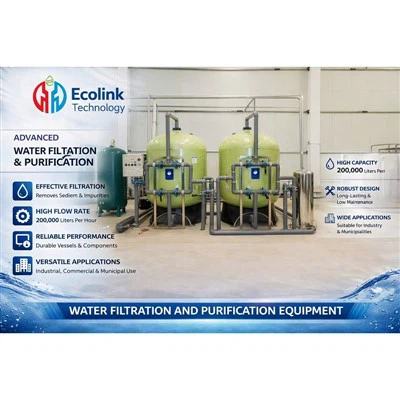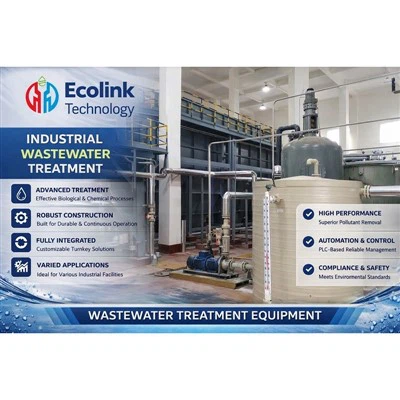

Operating desalination equipment is a complex yet crucial process, especially in regions facing water scarcity. As a desalination equipment supplier, I understand the importance of safety precautions in ensuring the smooth and secure operation of these systems. In this blog, I will share some key safety measures that operators should take when working with desalination equipment.
Pre - operation Safety Checks
Before starting the desalination equipment, a series of pre - operation safety checks are essential. First, inspect the physical condition of the equipment. Check for any visible signs of damage, such as cracks in pipes, leaks in valves, or loose connections. Any damaged parts should be replaced immediately to prevent potential hazards during operation.
Verify the integrity of electrical components. Ensure that all electrical wiring is properly insulated and free from fraying or short - circuits. Electrical malfunctions can not only damage the equipment but also pose a serious risk of electric shock to operators. Use appropriate electrical testing tools to check the continuity and voltage of electrical circuits.
Examine the water intake system. The intake should be free from debris, such as seaweed, rocks, or other foreign objects that could block the flow of water into the desalination unit. A blocked intake can lead to reduced efficiency and may even cause damage to the pumps and other components. Regularly clean the intake screens and ensure that they are in good working condition.
Personal Protective Equipment (PPE)
Personal protective equipment is a must for operators working with desalination equipment. Wear safety goggles to protect your eyes from splashes of chemicals and water. Chemicals used in the desalination process, such as anti - scaling agents and disinfectants, can cause irritation or damage to the eyes.
Gloves are also essential. They protect your hands from chemical exposure and physical injuries. Choose gloves that are resistant to the specific chemicals used in the desalination process. For example, if you are handling strong acids or alkalis, use chemical - resistant gloves.
Wear appropriate footwear. Safety shoes with steel toes can protect your feet from falling objects or accidental impacts. In addition, they provide good traction on wet surfaces, reducing the risk of slips and falls.
Chemical Handling
Desalination processes often involve the use of various chemicals. When handling these chemicals, it is crucial to follow strict safety protocols. Store chemicals in a dedicated, well - ventilated area. Keep them in their original containers with clearly labeled names and safety instructions.
When mixing chemicals, follow the manufacturer's instructions carefully. Use the correct ratios and add chemicals in the right order. Avoid mixing incompatible chemicals, as this can lead to dangerous chemical reactions.
In case of a chemical spill, have a spill response plan in place. This may include using absorbent materials to contain the spill and neutralizing agents to treat the chemicals. Train operators on how to handle chemical spills safely to minimize the risk of environmental contamination and personal injury.
Equipment Operation Safety
During the operation of desalination equipment, operators should follow the operating manual strictly. Do not exceed the recommended operating parameters, such as pressure, temperature, and flow rate. Overloading the equipment can lead to mechanical failures and safety hazards.
Monitor the equipment continuously. Use sensors and control systems to detect any abnormal conditions, such as high pressure, low flow, or temperature fluctuations. If any abnormalities are detected, take immediate action to correct them. This may involve adjusting the operating parameters, shutting down the equipment, or performing maintenance.
Regularly maintain the equipment. This includes cleaning, lubricating, and replacing worn - out parts. A well - maintained desalination system is less likely to experience breakdowns and safety issues. Follow a preventive maintenance schedule to ensure the long - term reliability of the equipment.

Emergency Preparedness
Have an emergency response plan in place for desalination equipment. This plan should include procedures for dealing with fires, floods, chemical spills, and other emergencies. Train all operators on the emergency response plan and conduct regular drills to ensure that they are familiar with the procedures.
Install emergency shut - off switches in easily accessible locations. In case of an emergency, operators can quickly shut down the equipment to prevent further damage and ensure their safety.
Provide first - aid kits and ensure that operators are trained in basic first - aid procedures. In case of an injury, prompt first - aid treatment can make a significant difference in the outcome.
Environmental Considerations
Desalination equipment can have an impact on the environment. When operating the equipment, take measures to minimize this impact. For example, treat the brine (the concentrated saltwater by - product) properly before discharging it into the environment. This may involve diluting the brine or using advanced treatment methods to reduce its salinity and chemical content.
Monitor the environmental impact of the desalination process. Regularly test the water quality in the vicinity of the desalination plant to ensure that it meets the environmental standards. If any negative impacts are detected, take corrective actions immediately.
Training and Education
Proper training and education are essential for operators of desalination equipment. Provide comprehensive training on the operation, maintenance, and safety procedures of the equipment. Ensure that operators understand the potential hazards associated with the desalination process and know how to prevent and respond to them.
Encourage operators to stay updated on the latest safety standards and best practices in the desalination industry. Provide access to relevant training courses, conferences, and technical resources.
Conclusion
Operating desalination equipment safely requires a combination of pre - operation checks, proper use of personal protective equipment, careful chemical handling, strict adherence to operating procedures, emergency preparedness, environmental considerations, and continuous training. By following these safety precautions, operators can ensure the reliable and safe operation of desalination equipment.
If you are in the market for high - quality Water Desalination Equipment, we are here to help. Our desalination equipment is designed with safety and efficiency in mind. We can provide you with the necessary support and guidance to ensure that your desalination system operates smoothly and safely. Contact us to discuss your specific needs and start the procurement process.
References
- "Desalination Technology and Engineering" by John Doe
- "Safety Guidelines for Water Treatment Plants" by the International Water Association
- "Chemical Safety in Desalination Processes" by the Environmental Protection Agency