
Purified water treatment equipment plays a crucial role in various industries, ensuring the production of high - quality water that meets specific standards. As a supplier of purified water treatment equipment, I understand the importance of monitoring key indicators to maintain the efficiency and effectiveness of these systems. In this blog post, I will discuss the essential monitoring indicators of purified water treatment equipment.
1. Physical Indicators
Turbidity
Turbidity is a measure of the cloudiness or haziness of water caused by suspended particles such as clay, silt, organic matter, and microorganisms. High turbidity can interfere with the proper functioning of purification processes and may indicate the presence of contaminants. In a purified water treatment system, turbidity is typically monitored using a turbidimeter. For industrial applications, the acceptable turbidity level is often very low, usually less than 1 NTU (Nephelometric Turbidity Unit). If the turbidity exceeds the set limit, it may suggest issues with the pre - filtration system, such as a clogged filter or a malfunctioning sedimentation tank.
Temperature
Temperature affects the physical and chemical properties of water and can have a significant impact on the performance of purification equipment. For example, the solubility of gases and solids in water changes with temperature. In reverse osmosis (RO) systems, higher temperatures can increase the permeate flux but may also reduce the rejection rate of certain contaminants. Additionally, some microorganisms thrive in specific temperature ranges. Therefore, it is essential to monitor the water temperature throughout the treatment process. Most industrial water treatment systems are designed to operate within a specific temperature range, typically between 5°C and 45°C.
2. Chemical Indicators
pH Value
The pH value of water is a measure of its acidity or alkalinity. It is an important parameter in water treatment as it can affect the solubility of minerals, the effectiveness of disinfectants, and the corrosion rate of equipment. In purified water treatment, the desired pH range may vary depending on the application. For example, in pharmaceutical and semiconductor industries, a neutral pH (around 7) is often preferred. Monitoring the pH value allows operators to adjust the treatment process, such as adding acid or alkali to maintain the desired pH level. A pH meter is commonly used to measure the pH of water in real - time.
Conductivity
Conductivity is a measure of the ability of water to conduct an electric current, which is directly related to the concentration of dissolved ions in the water. In purified water treatment, conductivity is a key indicator of the overall purity of the water. A low conductivity value indicates a low concentration of dissolved salts and other ionic contaminants. In RO systems, the conductivity of the permeate is closely monitored to ensure the effectiveness of the membrane separation process. High conductivity may suggest membrane fouling or leakage, which requires immediate attention. Conductivity meters are used to measure the conductivity of water, and the results are usually expressed in microsiemens per centimeter (μS/cm).
Total Dissolved Solids (TDS)
TDS refers to the total amount of inorganic and organic substances dissolved in water. It includes salts, metals, and other dissolved solids. Monitoring TDS is important in purified water treatment as it provides an overall assessment of the water's purity. High TDS levels can cause scaling in pipes and equipment, reduce the efficiency of treatment processes, and may affect the quality of the end - product. TDS can be measured using a TDS meter, which is based on the principle of conductivity measurement. The acceptable TDS level varies depending on the application, but in general, for purified water used in industries such as electronics and pharmaceuticals, the TDS should be very low, often less than 10 ppm (parts per million).
3. Microbiological Indicators
Total Bacterial Count
The total bacterial count is a measure of the number of viable bacteria present in a water sample. In purified water treatment, controlling the microbial population is crucial, especially in industries where water is used for critical applications such as food and beverage production, pharmaceuticals, and healthcare. High bacterial counts can lead to product contamination, spoilage, and potential health risks. To monitor the total bacterial count, water samples are typically collected and analyzed using culture - based methods or rapid detection techniques such as flow cytometry. The acceptable limit for the total bacterial count in purified water varies depending on the industry and the specific application, but it is generally very low, often less than 10 CFU/mL (colony - forming units per milliliter).
Endotoxin Level
Endotoxins are lipopolysaccharides found in the outer membrane of Gram - negative bacteria. They can cause a variety of adverse effects in humans, including fever, inflammation, and shock. In industries such as pharmaceuticals and biotechnology, where water is used for injectable products, monitoring the endotoxin level is of utmost importance. Endotoxin levels are typically measured using the Limulus Amebocyte Lysate (LAL) assay or other equivalent methods. The acceptable endotoxin level in purified water for injectable products is usually less than 0.25 EU/mL (endotoxin units per milliliter).


4. System - Specific Indicators
Pressure
In a purified water treatment system, pressure is an important parameter that affects the performance of various components. For example, in RO systems, the feed pressure is crucial for driving water through the membrane. If the pressure is too low, the permeate flux may be insufficient, resulting in low water production. On the other hand, if the pressure is too high, it can cause membrane damage. Therefore, it is necessary to monitor the pressure at different points in the system, including the feed pressure, concentrate pressure, and permeate pressure. Pressure gauges are used to measure the pressure, and any significant changes in pressure may indicate problems such as membrane fouling, blockages in the pipes, or pump malfunctions.
Flow Rate
The flow rate of water through the treatment system is another important indicator. It affects the residence time of water in each treatment unit, which in turn influences the effectiveness of the purification process. For example, in a filtration system, a high flow rate may not allow sufficient time for the removal of contaminants, while a low flow rate may reduce the overall productivity of the system. Flow meters are used to measure the flow rate of water, and the flow rate should be maintained within a specific range to ensure optimal performance of the treatment system.
Importance of Monitoring These Indicators
Monitoring these indicators is essential for several reasons. Firstly, it helps to ensure the quality of the purified water produced by the treatment system. By continuously monitoring the physical, chemical, and microbiological parameters, operators can detect any deviations from the desired standards and take corrective actions in a timely manner. Secondly, monitoring these indicators can help to identify potential problems in the treatment system, such as equipment malfunctions, membrane fouling, or microbial contamination. Early detection of these problems allows for preventive maintenance, which can reduce downtime and repair costs. Finally, compliance with regulatory requirements is another important reason for monitoring these indicators. In many industries, there are strict regulations regarding the quality of purified water, and failure to meet these standards can result in significant penalties.
Our Company's Offerings
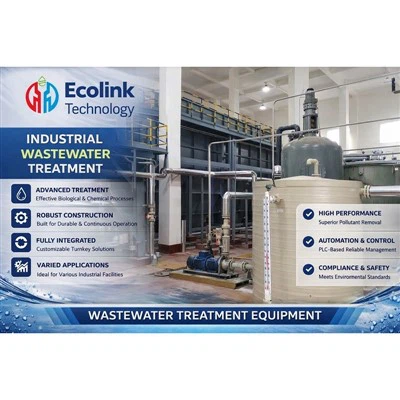
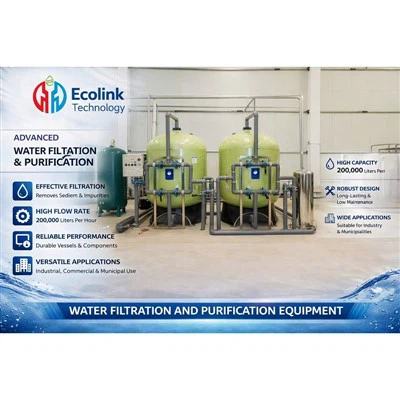
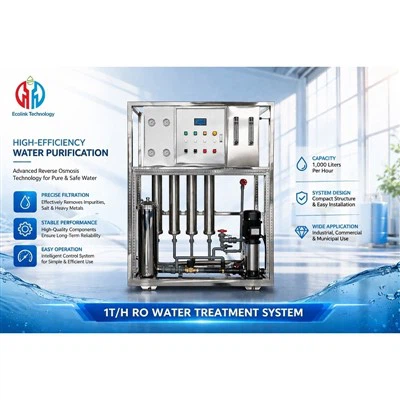
As a supplier of purified water treatment equipment, we offer a wide range of products to meet the diverse needs of our customers. Our Industrial Water Filtration Equipment is designed to remove suspended particles, sediment, and other contaminants from water, ensuring high - quality pre - treatment. Our Industrial RO Water Treatment System uses advanced reverse osmosis technology to remove dissolved salts, heavy metals, and other impurities, producing purified water that meets the strictest standards. Additionally, our Industrial Water Filtration System provides a comprehensive solution for water purification, including filtration, disinfection, and deionization.
Conclusion
Monitoring the key indicators of purified water treatment equipment is crucial for ensuring the quality and efficiency of the water purification process. By closely monitoring physical, chemical, microbiological, and system - specific indicators, operators can maintain the performance of the treatment system, prevent problems, and comply with regulatory requirements. If you are in need of high - quality purified water treatment equipment or have any questions about water purification, please feel free to contact us for a detailed discussion. We are committed to providing the best solutions for your water treatment needs.
References
- AWWA (American Water Works Association). Water Quality and Treatment: A Handbook of Community Water Supplies.
- ASTM (American Society for Testing and Materials). Standards related to water quality testing.
- WHO (World Health Organization). Guidelines for Drinking - Water Quality.