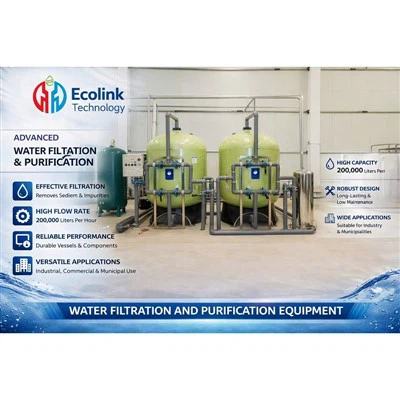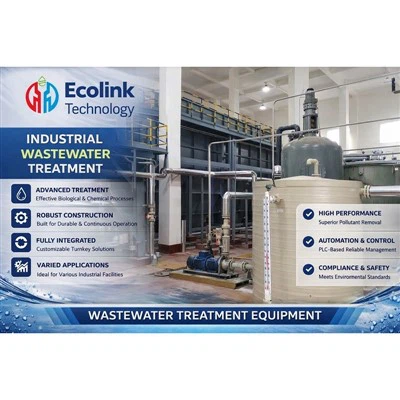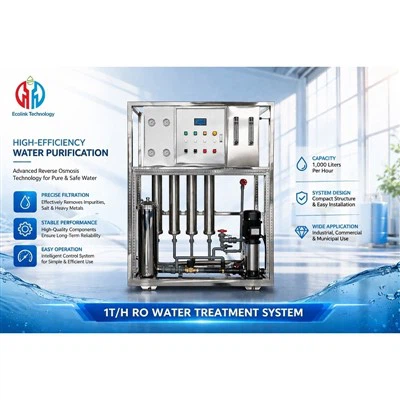

Hey there! As a supplier of Industrial Water Filtration Equipment, I've seen firsthand the impact that suspended solids in water can have on industrial water filtration equipment. In this blog, I'm gonna break down the effects and why it's super important to understand them.
What Are Suspended Solids?
First off, let's get clear on what suspended solids are. Suspended solids are tiny particles that float around in water. They can be all sorts of things, like dirt, sand, clay, and even organic matter like algae or bacteria. These particles don't dissolve in water; they just kind of hang out there.
How Suspended Solids Affect Filtration Equipment
Clogging
One of the most obvious effects of suspended solids is clogging. When water with a high concentration of suspended solids passes through a filtration system, those particles start to build up on the filter media. Over time, this buildup can block the pores in the filter, making it harder for water to flow through. This means the equipment has to work harder to push the water through, which can lead to increased energy consumption and reduced flow rates.
For example, in a Industrial Water Purifier, if the pre - filters get clogged with suspended solids, the purifier won't be able to treat water as efficiently. The pressure inside the system will increase, and if it gets too high, it can even damage the equipment.
Wear and Tear
Suspended solids can also cause wear and tear on the filtration equipment. As the water with these particles flows through the system, the particles can rub against the internal components of the equipment. This friction can damage the pipes, valves, and other parts of the filtration system.
In an Industrial Reverse Osmosis System, for instance, the membranes are very delicate. Suspended solids can scratch the membranes, reducing their effectiveness and lifespan. This means you'll have to replace the membranes more often, which can be costly.


Reduced Filtration Efficiency
When there are a lot of suspended solids in the water, the filtration equipment may not be able to remove all the contaminants effectively. The filter media can get overwhelmed, and some of the smaller particles may pass through the filter. This means that the water coming out of the filtration system may still contain impurities, which can be a big problem in industries where high - quality water is required.
Why It Matters for Different Industries
Different industries have different requirements for water quality, and the presence of suspended solids can have a significant impact on their operations.
Food and Beverage Industry
In the food and beverage industry, water is used in almost every step of the production process. If the water contains suspended solids, it can affect the taste, appearance, and safety of the products. For example, in beer brewing, suspended solids can cause cloudiness in the beer and affect its flavor. Using high - quality Industrial Water Filtration Equipment to remove suspended solids is crucial to ensure the quality of the final product.
Pharmaceutical Industry
The pharmaceutical industry has very strict water quality standards. Even a small amount of suspended solids in the water can contaminate the drugs being produced. This can lead to product recalls and serious health risks for consumers. Industrial water filtration equipment is essential to ensure that the water used in pharmaceutical manufacturing is free of suspended solids and other contaminants.
Manufacturing Industry
In manufacturing, water is often used for cooling, cleaning, and as a solvent. If the water contains suspended solids, it can cause problems in the manufacturing process. For example, in metalworking, suspended solids in the coolant can cause abrasion on the cutting tools, reducing their lifespan and affecting the quality of the finished product.
How to Deal with Suspended Solids
So, what can you do to deal with suspended solids in water?
Pre - Treatment
One of the best ways is to use pre - treatment methods. This can include sedimentation, where the water is allowed to sit so that the heavier suspended solids settle to the bottom. You can also use screening to remove larger particles before the water enters the main filtration system.
Choosing the Right Filtration Equipment
It's important to choose the right Industrial Water Filtration Equipment for your specific needs. Different types of filters are designed to remove different sizes of suspended solids. For example, a sand filter is great for removing larger particles, while a membrane filter can remove very small particles.
Regular Maintenance
Regular maintenance of the filtration equipment is also crucial. This includes cleaning or replacing the filter media, checking the pressure gauges, and inspecting the internal components for damage. By keeping the equipment in good condition, you can ensure that it continues to work effectively and efficiently.
Conclusion
Suspended solids in water can have a big impact on industrial water filtration equipment. They can cause clogging, wear and tear, and reduced filtration efficiency. However, by understanding these effects and taking the right steps to deal with suspended solids, you can ensure that your industrial water filtration system works properly and provides high - quality water for your operations.
If you're in the market for Industrial Water Filtration Equipment, Industrial Water Purifier, or Industrial Reverse Osmosis System, we're here to help. Contact us to discuss your specific needs and let's work together to find the best solution for your industrial water filtration requirements.
References
- AWWA (American Water Works Association). Water Quality and Treatment: A Handbook of Community Water Supplies.
- ASCE (American Society of Civil Engineers). Manual of Practice No. 9: Water Treatment Plant Design.