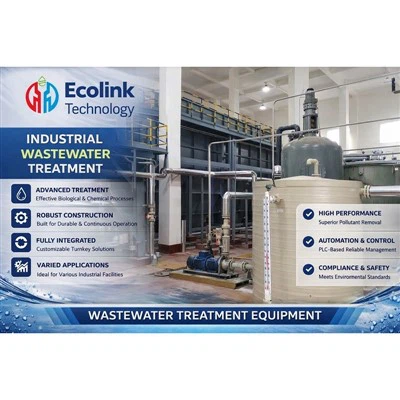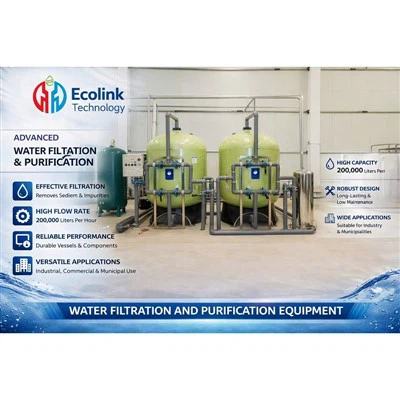

The activated sludge process is a cornerstone in modern wastewater treatment systems, playing a pivotal role in purifying wastewater and ensuring environmental sustainability. As a reputable supplier of Wastewater Treatment System, I am excited to delve into the intricate workings of this essential process.
Introduction to the Activated Sludge Process
The activated sludge process is a biological treatment method that uses microorganisms to break down organic matter in wastewater. This process is widely used in municipal and industrial wastewater treatment plants due to its high efficiency and effectiveness in removing pollutants. The basic principle behind the activated sludge process is to create an environment where microorganisms can thrive and consume organic matter, converting it into carbon dioxide, water, and new microbial cells.
Key Components of the Activated Sludge Process
The activated sludge process consists of several key components, each playing a crucial role in the treatment process. These components include:


- Aeration Tank: The aeration tank is the heart of the activated sludge process. It is where the wastewater is mixed with activated sludge, which contains a diverse community of microorganisms. The aeration tank provides oxygen to the microorganisms, allowing them to break down organic matter through aerobic respiration.
- Settling Tank: After the wastewater has been treated in the aeration tank, it flows into the settling tank. In the settling tank, the activated sludge settles to the bottom, while the treated water is removed from the top. The settled sludge is then returned to the aeration tank to maintain the microbial population.
- Return Activated Sludge (RAS) System: The RAS system is responsible for returning the settled sludge from the settling tank to the aeration tank. This ensures that the microbial population in the aeration tank remains stable and that the treatment process continues to operate efficiently.
- Waste Activated Sludge (WAS) System: The WAS system is used to remove excess sludge from the treatment process. This helps to maintain the balance of the microbial population and prevent the accumulation of sludge in the treatment system.
The Treatment Process
The activated sludge process can be divided into several stages, each with its own specific function. These stages include:
- Primary Treatment: In the primary treatment stage, the wastewater is screened to remove large solids and debris. This helps to protect the downstream treatment equipment and prevent clogging.
- Aeration and Mixing: In the aeration tank, the wastewater is mixed with activated sludge and aerated to provide oxygen to the microorganisms. The microorganisms break down the organic matter in the wastewater through aerobic respiration, converting it into carbon dioxide, water, and new microbial cells.
- Settling: After the wastewater has been treated in the aeration tank, it flows into the settling tank. In the settling tank, the activated sludge settles to the bottom, while the treated water is removed from the top. The settled sludge is then returned to the aeration tank to maintain the microbial population.
- Secondary Treatment: In the secondary treatment stage, the treated water is further treated to remove any remaining pollutants. This may involve additional biological treatment, such as the use of a Membrane BioReactor, or physical treatment, such as filtration or disinfection.
- Tertiary Treatment: In the tertiary treatment stage, the treated water is further treated to meet specific water quality standards. This may involve additional treatment processes, such as reverse osmosis or advanced oxidation, to remove any remaining contaminants.
Factors Affecting the Activated Sludge Process
Several factors can affect the performance of the activated sludge process. These factors include:
- Temperature: The temperature of the wastewater can have a significant impact on the activity of the microorganisms. Generally, the optimal temperature range for the activated sludge process is between 20°C and 30°C.
- pH: The pH of the wastewater can also affect the activity of the microorganisms. The optimal pH range for the activated sludge process is between 6.5 and 8.5.
- Dissolved Oxygen (DO): The DO level in the aeration tank is crucial for the survival and activity of the microorganisms. The DO level should be maintained at a sufficient level to ensure that the microorganisms can carry out aerobic respiration.
- Organic Loading Rate (OLR): The OLR is a measure of the amount of organic matter that is introduced into the treatment system per unit of time. A high OLR can overload the treatment system and reduce the efficiency of the activated sludge process.
- Sludge Retention Time (SRT): The SRT is the average time that the activated sludge remains in the treatment system. A longer SRT can allow the microorganisms to grow and multiply, resulting in a more efficient treatment process.
Benefits of the Activated Sludge Process
The activated sludge process offers several benefits, including:
- High Efficiency: The activated sludge process is highly efficient in removing organic matter and other pollutants from wastewater. It can achieve high levels of treatment, resulting in clean and safe water that can be discharged into the environment or reused.
- Flexibility: The activated sludge process can be easily adjusted to accommodate changes in the wastewater flow rate and composition. This makes it a versatile treatment method that can be used in a variety of applications.
- Cost-Effective: The activated sludge process is a cost-effective treatment method that requires relatively low capital and operating costs. It can also be easily integrated with other treatment processes to achieve higher levels of treatment.
- Environmental Sustainability: The activated sludge process is an environmentally sustainable treatment method that helps to reduce the impact of wastewater on the environment. It can also help to conserve water resources by reusing treated water.
Applications of the Activated Sludge Process
The activated sludge process is widely used in a variety of applications, including:
- Municipal Wastewater Treatment: The activated sludge process is commonly used in municipal wastewater treatment plants to treat domestic wastewater. It can effectively remove organic matter, nutrients, and other pollutants from the wastewater, resulting in clean and safe water that can be discharged into the environment or reused.
- Industrial Wastewater Treatment: The activated sludge process is also used in industrial wastewater treatment plants to treat industrial wastewater. It can effectively remove organic matter, heavy metals, and other pollutants from the wastewater, resulting in clean and safe water that can be discharged into the environment or reused.
- Agricultural Wastewater Treatment: The activated sludge process can be used in agricultural wastewater treatment plants to treat agricultural wastewater. It can effectively remove organic matter, nutrients, and other pollutants from the wastewater, resulting in clean and safe water that can be used for irrigation or other agricultural purposes.
Conclusion
The activated sludge process is a highly effective and efficient treatment method for purifying wastewater. It offers several benefits, including high efficiency, flexibility, cost-effectiveness, and environmental sustainability. As a supplier of Wastewater Treatment System, we are committed to providing our customers with high-quality treatment solutions that meet their specific needs. If you are interested in learning more about the activated sludge process or our Industrial Water Treatment System, please contact us to discuss your requirements and explore how we can help you achieve your wastewater treatment goals.
References
- Metcalf & Eddy. (2003). Wastewater Engineering: Treatment and Reuse (4th ed.). McGraw-Hill.
- Tchobanoglous, G., Burton, F. L., & Stensel, H. D. (2003). Wastewater Engineering: Treatment and Reuse (4th ed.). McGraw-Hill.
- WEF. (2017). Activated Sludge Process Design Manual. Water Environment Federation.