
Hey there! As a supplier of Poly Aluminium Chloride (PAC) Flocculant, I've been getting a lot of questions about how it impacts the pH of water after treatment. So, I thought I'd dive into this topic and share some insights.


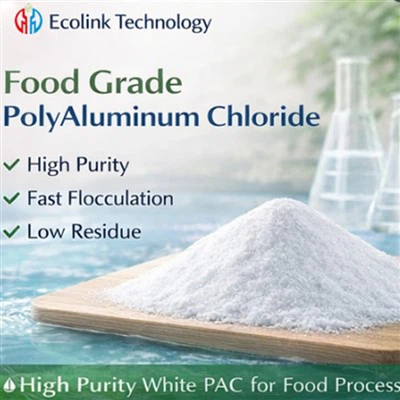
First off, let's talk a bit about what PAC Flocculant is. Poly Aluminium Chloride is a popular water treatment chemical known for its excellent flocculation properties. It's used in a wide range of applications, from treating industrial effluents to purifying drinking water. You can check out more about PAC for Effluent Treatment on our website.
Now, when it comes to the impact on water pH, it's important to understand the basic chemistry behind PAC. PAC is an acidic compound. When it's added to water, it undergoes hydrolysis reactions. During these reactions, aluminum ions in the PAC react with water molecules, releasing hydrogen ions (H+). This release of hydrogen ions is what causes the pH of the water to decrease.
The extent of the pH change depends on several factors. One of the main factors is the dosage of PAC. If you add a small amount of PAC, the pH change might be relatively minor. But if you use a large dosage, the pH can drop significantly. For example, in a study, when a high dosage of PAC was added to a water sample with an initial pH of 7.5, the pH dropped to around 6.0.
Another factor is the initial pH of the water. If the water is already acidic, adding PAC might not cause as much of a change in pH. On the other hand, if the water is alkaline, the PAC can have a more noticeable effect on reducing the pH.
Let's take a look at some real - world scenarios. In industrial wastewater treatment, the pH of the effluent can vary widely. Some industries produce highly alkaline wastewater, and PAC can be used to bring the pH down to a more neutral range. This is beneficial because many treatment processes work best at a specific pH. For instance, if you're using biological treatment methods, the microorganisms involved are more active in a certain pH range. By adjusting the pH with PAC, you can improve the efficiency of the treatment process.
In drinking water treatment, the impact on pH also needs to be carefully controlled. The World Health Organization (WHO) has set guidelines for the pH of drinking water, which should be in the range of 6.5 - 8.5. When using PAC for drinking water treatment, water treatment plants need to monitor the pH closely to ensure it stays within this acceptable range.
Now, let's talk about the different types of PAC. We offer Poly Aluminium Chloride Flocculant in various grades, such as Polyaluminum Chloride 28%. The grade of PAC can also affect its impact on pH. Higher - grade PACs might have a stronger effect on pH because they contain more active aluminum compounds.
It's also worth mentioning that sometimes, after adding PAC, additional chemicals might be needed to adjust the pH back to the desired level. For example, if the pH drops too low, a base like sodium hydroxide can be added to raise the pH. This is a common practice in water treatment plants to ensure the water meets the required quality standards.
In some cases, the impact of PAC on pH can have secondary effects. For example, a change in pH can affect the solubility of other substances in the water. Some metals might become more soluble at lower pH levels, which could potentially lead to issues if the water is being used for certain applications. So, it's important to consider these factors when using PAC for water treatment.
If you're in the business of water treatment and are considering using PAC Flocculant, it's crucial to do some testing first. You can take water samples from your source and add different dosages of PAC to see how the pH changes. This will help you determine the optimal dosage for your specific needs.
We've had many customers who were initially concerned about the pH impact of PAC. But after working with us and conducting proper testing, they've been able to use PAC effectively in their water treatment processes. We're always here to provide support and guidance on how to use our products to achieve the best results.
If you're interested in learning more about our Poly Aluminium Chloride Flocculant or have any questions about its impact on water pH, don't hesitate to reach out. Whether you're treating industrial wastewater or purifying drinking water, we can help you find the right solution for your needs.
In conclusion, Poly Aluminium Chloride Flocculant does have an impact on the pH of water after treatment. The extent of the impact depends on factors like dosage, initial pH, and the grade of PAC. By understanding these factors and conducting proper testing, you can use PAC effectively while keeping the water pH within the desired range.
If you're looking to purchase PAC Flocculant for your water treatment needs, we'd love to have a chat with you. We can discuss your specific requirements and help you choose the right product. So, feel free to get in touch and let's start a conversation about how we can work together to improve your water treatment process.
References:
- World Health Organization. Guidelines for Drinking - Water Quality.
- Various research papers on water treatment using Poly Aluminium Chloride.