
As a trusted supplier of drinking grade polyaluminium chloride, I understand the importance of proper storage to prevent deterioration of this essential water treatment chemical. In this blog post, I'll share some key insights and best practices on how to store drinking grade polyaluminium chloride effectively.


1. Understanding the Nature of Drinking Grade Polyaluminium Chloride
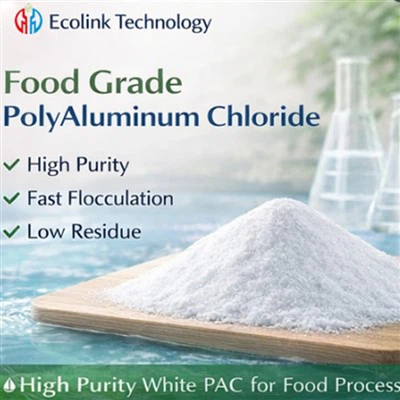
Drinking grade polyaluminium chloride (PAC) is a high - quality coagulant used in the treatment of potable water. Potable Water Grade PAC is formulated to meet strict safety and quality standards for use in water that will be consumed by humans. It is available in different forms, such as solid powder and liquid solutions.
The chemical composition of PAC is complex, and its stability can be affected by various factors. When exposed to unfavorable conditions, it may undergo chemical reactions that can reduce its effectiveness as a coagulant, leading to a decrease in water treatment efficiency.
2. Storage Conditions for Solid Drinking Grade Polyaluminium Chloride
Temperature
Solid PAC should be stored in a cool environment. High temperatures can accelerate the decomposition of the chemical. Ideally, the storage temperature should be maintained below 30°C. If the temperature rises above this level, the PAC may start to lose its reactivity over time. For example, in a hot warehouse during summer, without proper temperature control, the solid PAC may clump together, making it difficult to dissolve and use effectively.
Humidity
Humidity is another critical factor. Solid PAC is hygroscopic, which means it can absorb moisture from the air. Excessive moisture can cause the powder to clump and form hard lumps. This not only affects the handling of the product but also can change its chemical properties. To prevent this, the storage area should have a relative humidity of less than 60%. It is advisable to use dehumidifiers in areas with high humidity levels.
Container
The choice of container for storing solid PAC is crucial. It should be made of a material that is resistant to corrosion and moisture. Plastic bags with good sealing properties are commonly used. These bags should be stored in a dry and clean place, away from any sources of water or moisture. Additionally, the bags should be placed on pallets to keep them off the floor, which can be a source of moisture.
3. Storage Conditions for Liquid Drinking Grade Polyaluminium Chloride
Temperature
Similar to the solid form, liquid PAC also requires proper temperature control. Extreme cold can cause the solution to freeze, which may damage the container and change the chemical composition of the PAC. On the other hand, high temperatures can lead to evaporation and chemical degradation. The recommended storage temperature for liquid PAC is between 5°C and 35°C.
Container
For liquid PAC, the container must be made of a material that is compatible with the chemical. Polyethylene or fiberglass - reinforced plastic (FRP) containers are commonly used. These containers should be well - sealed to prevent leakage and the entry of air, which can cause oxidation and other chemical reactions.
Sunlight
Liquid PAC should be stored away from direct sunlight. Ultraviolet (UV) rays from the sun can break down the chemical bonds in the PAC, reducing its effectiveness. Therefore, storage tanks or containers should be placed in shaded areas or covered with opaque materials.
4. Preventing Contamination
Isolation
Drinking grade PAC should be stored separately from other chemicals, especially those that may react with it. For example, strong acids or alkalis can react with PAC and cause it to lose its coagulation properties. A dedicated storage area should be set aside for PAC to avoid any cross - contamination.
Cleanliness
The storage area should be kept clean at all times. Dust, dirt, and other foreign particles can contaminate the PAC. Regular cleaning of the storage area, including the floors, shelves, and containers, is necessary. Workers handling the PAC should also follow strict hygiene practices, such as wearing gloves and protective clothing.
5. Inventory Management
First - In, First - Out (FIFO)
To ensure the freshness and effectiveness of the PAC, a first - in, first - out inventory management system should be implemented. This means that the oldest stock should be used first. By following this principle, the risk of using expired or deteriorated PAC is minimized.
Regular Inspections
Regular inspections of the stored PAC are essential. Check for any signs of clumping, discoloration, or leakage. If any issues are detected, appropriate measures should be taken immediately, such as discarding the affected product or re - evaluating the storage conditions.
6. Safety Considerations
When handling and storing drinking grade PAC, safety should be a top priority. Workers should be trained on the proper handling procedures, including the use of personal protective equipment (PPE) such as goggles, gloves, and masks. In case of accidental spills, there should be a clear spill - response plan in place.
7. Importance of Proper Storage
Proper storage of Poly Aluminium Chloride for Drinking Water is not only crucial for maintaining its quality but also for ensuring the safety of the water treatment process. If the PAC deteriorates, it may not be able to effectively remove impurities from the water, which can lead to sub - standard drinking water. This can have serious health implications for consumers.
8. Conclusion
In conclusion, storing drinking grade polyaluminium chloride requires careful attention to temperature, humidity, container selection, and prevention of contamination. By following the best practices outlined in this blog post, you can ensure that your Drinking Water Grade PAC 30% remains in optimal condition and continues to provide effective water treatment.
If you are interested in purchasing high - quality drinking grade polyaluminium chloride or have any questions about its storage or use, please feel free to contact us for a detailed discussion and to explore our product offerings.
References
- Water Treatment Chemicals Handbook, Third Edition, by W. West, CRC Press.
- Manual on Water Supply Practices, American Water Works Association.