
As a supplier of polyaluminium chloride, I've witnessed firsthand the widespread use of this chemical in water treatment processes. One of the most common questions I receive from customers is how polyaluminium chloride affects the Chemical Oxygen Demand (COD) of water. In this blog post, I'll delve into the science behind this relationship, exploring the mechanisms through which polyaluminium chloride influences COD levels and the practical implications for water treatment.
Understanding Chemical Oxygen Demand (COD)
Before we discuss the impact of polyaluminium chloride on COD, it's essential to understand what COD is and why it's important. COD is a measure of the amount of oxygen required to chemically oxidize the organic and inorganic substances in a water sample. It serves as an indicator of the water's pollution level, as higher COD values typically indicate a greater concentration of pollutants.
In water treatment, COD is a crucial parameter because it can affect the efficiency of treatment processes and the quality of the treated water. High COD levels can lead to issues such as increased energy consumption, fouling of treatment equipment, and the formation of harmful byproducts. Therefore, reducing COD is often a primary goal in water treatment operations.
How Polyaluminium Chloride Works in Water Treatment
Polyaluminium chloride (PAC) is a widely used coagulant in water treatment. It works by neutralizing the negative charges on suspended particles and colloids in water, causing them to aggregate and form larger flocs. These flocs can then be easily removed through sedimentation or filtration processes.


The coagulation and flocculation properties of polyaluminium chloride make it effective in removing a variety of contaminants from water, including suspended solids, turbidity, and certain organic compounds. By removing these contaminants, polyaluminium chloride can help to improve the overall quality of the water and reduce its COD.
Impact of Polyaluminium Chloride on COD
The impact of polyaluminium chloride on COD can vary depending on several factors, including the type and concentration of the pollutants in the water, the dosage of polyaluminium chloride used, and the treatment conditions.
Removal of Organic Pollutants
One of the primary ways in which polyaluminium chloride can reduce COD is by removing organic pollutants from the water. Organic compounds, such as humic acids, proteins, and carbohydrates, can contribute significantly to the COD of water. When polyaluminium chloride is added to the water, it can react with these organic compounds and cause them to precipitate out of the solution.
For example, polyaluminium chloride can form complexes with humic acids, which are commonly found in natural waters. These complexes are insoluble and can be removed through sedimentation or filtration. By removing humic acids and other organic pollutants, polyaluminium chloride can effectively reduce the COD of the water.
Reduction of Suspended Solids
In addition to removing organic pollutants, polyaluminium chloride can also reduce COD by removing suspended solids from the water. Suspended solids can contain organic matter, which can contribute to the COD. When polyaluminium chloride causes the suspended solids to aggregate and form flocs, these flocs can be easily removed from the water, reducing the COD.
Oxidation of Organic Compounds
In some cases, polyaluminium chloride can also oxidize certain organic compounds in the water, further reducing the COD. The oxidation process can break down the organic compounds into smaller, more easily biodegradable molecules, which can then be removed through biological treatment processes.
However, it's important to note that the oxidation of organic compounds by polyaluminium chloride is typically limited, and the primary mechanism for COD reduction is through the removal of organic pollutants and suspended solids.
Factors Affecting the Impact of Polyaluminium Chloride on COD
As mentioned earlier, several factors can affect the impact of polyaluminium chloride on COD. Let's take a closer look at some of these factors:
Pollutant Type and Concentration
The type and concentration of the pollutants in the water can have a significant impact on the effectiveness of polyaluminium chloride in reducing COD. Different types of organic compounds may have different reactivity with polyaluminium chloride, and some may be more difficult to remove than others.
For example, highly soluble organic compounds may be more challenging to remove using polyaluminium chloride alone, as they may not readily form complexes or precipitate out of the solution. In such cases, additional treatment processes, such as advanced oxidation or biological treatment, may be required to achieve significant COD reduction.
Dosage of Polyaluminium Chloride
The dosage of polyaluminium chloride used in water treatment is another important factor. Using too little polyaluminium chloride may not be sufficient to effectively remove the pollutants and reduce the COD, while using too much can lead to issues such as increased sludge production and potential toxicity.
Therefore, it's crucial to determine the optimal dosage of polyaluminium chloride based on the specific characteristics of the water being treated. This can be done through laboratory testing and pilot-scale trials to ensure that the treatment process is both effective and cost-efficient.
Treatment Conditions
The treatment conditions, such as pH, temperature, and mixing intensity, can also affect the performance of polyaluminium chloride in reducing COD. For example, the coagulation and flocculation process is typically more effective at a specific pH range, and adjusting the pH of the water can improve the removal of pollutants and reduce the COD.
Similarly, temperature can affect the reaction rate between polyaluminium chloride and the pollutants, and higher temperatures may enhance the effectiveness of the treatment process. Mixing intensity is also important, as proper mixing can ensure that the polyaluminium chloride is evenly distributed throughout the water and that the coagulation and flocculation process occurs efficiently.
Practical Implications for Water Treatment
Understanding the impact of polyaluminium chloride on COD is essential for water treatment operators and engineers. By using polyaluminium chloride effectively, they can achieve significant COD reduction and improve the quality of the treated water.
In addition to reducing COD, polyaluminium chloride can also help to improve other water quality parameters, such as turbidity, color, and total suspended solids. This can make the water more suitable for a variety of applications, including drinking water supply, industrial processes, and wastewater treatment.
However, it's important to note that polyaluminium chloride is just one component of a comprehensive water treatment system. Depending on the specific characteristics of the water and the treatment goals, additional treatment processes may be required to achieve the desired level of COD reduction and water quality improvement.
Our Polyaluminium Chloride Products
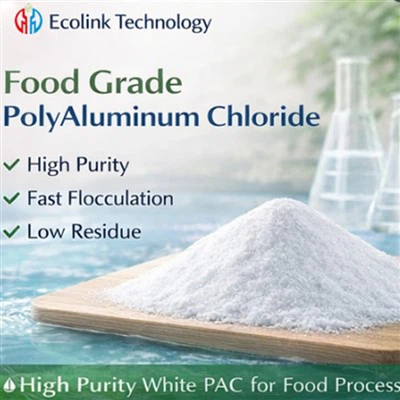
At our company, we offer a range of high-quality polyaluminium chloride products that are specifically designed for water treatment applications. Our Poly Aluminium Chloride 30 is a popular choice for many water treatment plants, as it has a high aluminium content and excellent coagulation properties.
We also offer Poly Aluminium Chloride for Drinking Water, which is formulated to meet the strict requirements for drinking water treatment. This product is safe and effective, and it can help to ensure the quality and safety of the drinking water supply.
In addition, our Poly Aluminium Chloride Flocculant is suitable for industrial wastewater treatment applications. It can effectively remove suspended solids, turbidity, and other contaminants from the wastewater, reducing the COD and improving the overall quality of the treated water.
Contact Us for More Information
If you're interested in learning more about how our polyaluminium chloride products can help you reduce the COD of your water and improve its quality, please don't hesitate to contact us. Our team of experts is available to provide you with detailed information and technical support, and we can help you determine the best polyaluminium chloride product for your specific needs.
We look forward to working with you to achieve your water treatment goals and provide you with high-quality polyaluminium chloride products and services.
References
- American Water Works Association. (2012). Water Quality and Treatment: A Handbook of Community Water Supplies. McGraw-Hill.
- AWWA Manual M22: Coagulation and Flocculation. (2017). American Water Works Association.
- USEPA. (2018). National Pollutant Discharge Elimination System (NPDES) Permit Writers' Manual. U.S. Environmental Protection Agency.