
Hey there! I'm a supplier of polyacrylamide, and I often get asked about the differences between polyacrylamide and other flocculants. So, I thought I'd write this blog to break it down for you.
What are Flocculants Anyway?
Before we dive into the differences, let's quickly go over what flocculants are. Flocculants are substances that are used to clump together small particles in a liquid, making them easier to separate. They're super important in a bunch of industries, like water treatment, mining, and papermaking.
Polyacrylamide: The Basics
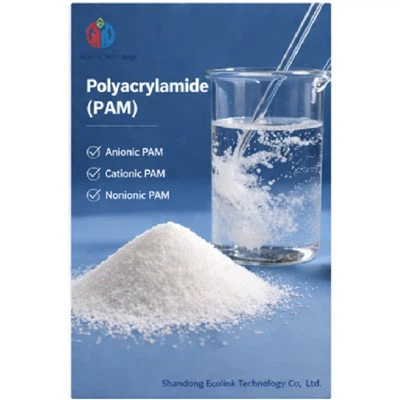
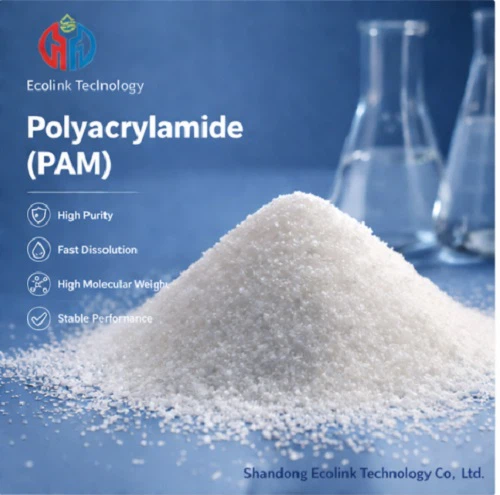
Polyacrylamide is a synthetic polymer that comes in different forms - anionic, cationic, and non - ionic. It's widely used because it's really effective at flocculation. It can work in a variety of conditions and has a high molecular weight, which means it can form large flocs that settle quickly.
Comparing Polyacrylamide with Other Flocculants
1. Alum (Aluminum Sulfate)
Alum is one of the oldest and most commonly used flocculants. It's cheap and readily available. But here's the thing - it works best in a narrow pH range, usually between 5.5 and 7.5. If the pH is outside this range, its effectiveness drops significantly.
Polyacrylamide, on the other hand, can work in a much wider pH range. Whether the water is acidic or alkaline, polyacrylamide can still form good flocs. This makes it a more versatile option, especially in industries where the pH of the liquid can vary a lot.
2. Ferric Chloride
Ferric chloride is another popular flocculant. It's great at removing suspended solids and some heavy metals from water. However, it can cause corrosion in pipes and equipment over time. And it also adds a certain amount of iron to the treated water, which might not be desirable in some applications.
Polyacrylamide doesn't have these issues. It doesn't cause corrosion, and it doesn't add any unwanted elements to the water. This makes it a better choice for long - term use in water treatment systems.

3. Natural Flocculants (e.g., Chitosan)
Natural flocculants like chitosan are derived from natural sources, which makes them more environmentally friendly. But they have some limitations. They're not as effective as synthetic flocculants like polyacrylamide in terms of floc size and settling speed.
Polyacrylamide can form larger and stronger flocs, which settle faster. This means that in industrial applications where time is of the essence, polyacrylamide is often the preferred choice.
Advantages of Polyacrylamide in Different Industries
Water Treatment
In water treatment plants, polyacrylamide can remove a wide range of contaminants, including suspended solids, organic matter, and some heavy metals. It can also improve the clarity of the water. For example, in drinking water treatment, polyacrylamide helps to produce clean and safe water. And in wastewater treatment, it can reduce the amount of sludge, making the treatment process more efficient. You can check out our Oily Wastewater Treatment Polyacrylamide for more information on its use in treating oily wastewater.
Mining
In the mining industry, polyacrylamide is used to separate solids from liquids in the ore processing. It helps to increase the settling rate of the tailings, which reduces the volume of the tailings pond. This is not only more efficient but also safer for the environment. Our Drilling Fluid Additives are specifically designed for use in mining and drilling operations.
Papermaking
In papermaking, polyacrylamide is used as a retention and drainage aid. It helps to keep the fibers and fillers in the paper, improving the paper's strength and quality. It also speeds up the drainage process, which increases the production efficiency. Our Cationic Polyacrylamide Powder is a great option for papermaking applications.
Why Choose Our Polyacrylamide?
As a polyacrylamide supplier, we take pride in offering high - quality products. Our polyacrylamide is carefully manufactured to meet the highest standards. We have a team of experts who can provide technical support and advice on the best type of polyacrylamide for your specific application.
Whether you're in water treatment, mining, papermaking, or any other industry that requires flocculants, we've got you covered. Our products are reliable, cost - effective, and environmentally friendly.
Time to Make a Decision
If you're still using other flocculants and facing issues like limited pH range, corrosion, or slow settling speed, it might be time to switch to polyacrylamide. We're here to help you make the transition as smooth as possible.
If you're interested in learning more about our polyacrylamide products or have any questions, feel free to reach out. We're always happy to have a chat and discuss how our products can meet your needs. Let's work together to find the best flocculation solution for your business!
References
- "Water Treatment Handbook" by G. D. Robeck
- "Mining Engineering Principles" by H. L. Hartman
- "Papermaking Science and Technology" by J. G. Casey