
How to ensure compliance with regulatory requirements for an Industrial Water Treatment System?
As a supplier of Industrial Water Treatment System, I understand the critical importance of ensuring compliance with regulatory requirements in the industrial water treatment sector. In this blog, I will share some key strategies and best practices that can help industrial facilities maintain compliance with relevant regulations.
Understanding the Regulatory Landscape
The first step in ensuring compliance is to have a comprehensive understanding of the regulatory requirements that apply to industrial water treatment systems. These regulations can vary significantly depending on the location, the type of industry, and the specific contaminants involved. For example, in the United States, the Clean Water Act (CWA) sets the standards for the discharge of pollutants into navigable waters, while the Safe Drinking Water Act (SDWA) regulates the quality of drinking water.
In addition to federal regulations, there may also be state and local regulations that need to be considered. It is essential to stay up-to-date with any changes in these regulations, as non-compliance can result in significant fines, legal liabilities, and damage to the company's reputation.
One way to stay informed about regulatory requirements is to subscribe to industry newsletters, attend regulatory workshops, and participate in industry associations. These resources can provide valuable information about new regulations, compliance deadlines, and best practices for meeting regulatory requirements.
Conducting a Regulatory Audit
Once you have a clear understanding of the regulatory requirements, the next step is to conduct a regulatory audit of your industrial water treatment system. A regulatory audit involves a comprehensive review of your system to identify any areas of non-compliance and to develop a plan for addressing these issues.
The audit should include a review of your system's design, operation, and maintenance procedures, as well as an assessment of your compliance with relevant regulations. It is also important to review your monitoring and reporting procedures to ensure that you are accurately tracking and reporting your water quality data.
During the audit, it is recommended to work with a qualified environmental consultant or engineer who has experience in industrial water treatment and regulatory compliance. They can provide valuable insights and recommendations for improving your system's compliance and reducing your risk of non-compliance.
Implementing a Compliance Management System
To ensure ongoing compliance with regulatory requirements, it is essential to implement a compliance management system (CMS). A CMS is a set of policies, procedures, and practices that are designed to help you manage your regulatory compliance obligations effectively.
The CMS should include a clear set of goals and objectives for compliance, as well as a detailed plan for achieving these goals. It should also include procedures for monitoring and reporting your compliance, as well as a process for addressing any non-compliance issues that may arise.
One of the key components of a CMS is training and education. All employees who are involved in the operation and maintenance of your industrial water treatment system should receive regular training on regulatory requirements, compliance procedures, and best practices for ensuring water quality.
Selecting the Right Wastewater Treatment Equipment
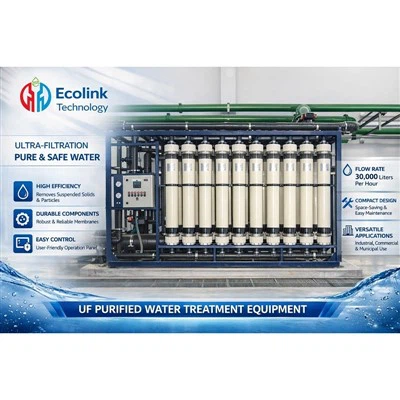
The selection of the right wastewater treatment equipment is critical for ensuring compliance with regulatory requirements. The equipment should be designed to meet the specific needs of your industrial facility, including the type and volume of wastewater that needs to be treated, as well as the regulatory requirements for water quality.
When selecting wastewater treatment equipment, it is important to consider factors such as the equipment's efficiency, reliability, and ease of operation and maintenance. You should also consider the cost of the equipment, including the initial purchase price, as well as the ongoing operating and maintenance costs.
In addition to selecting the right equipment, it is also important to ensure that the equipment is installed and operated correctly. This may require working with a qualified installer or contractor who has experience in industrial water treatment systems.
Monitoring and Reporting Water Quality
Monitoring and reporting water quality is an essential part of ensuring compliance with regulatory requirements. You should establish a regular monitoring schedule to track the quality of your wastewater and to ensure that it meets the regulatory standards.
The monitoring should include a variety of parameters, such as pH, dissolved oxygen, chemical oxygen demand (COD), biochemical oxygen demand (BOD), and total suspended solids (TSS). You should also monitor for any specific contaminants that are regulated by the relevant authorities.
In addition to monitoring, you should also have a system in place for reporting your water quality data to the regulatory authorities. This may involve submitting regular reports, as well as providing real-time data through online monitoring systems.


Maintaining and Upgrading Your Wastewater Treatment System
Regular maintenance and upgrading of your wastewater treatment system are essential for ensuring its continued compliance with regulatory requirements. You should establish a maintenance schedule to ensure that the equipment is inspected, cleaned, and repaired on a regular basis.
In addition to maintenance, you may also need to upgrade your system to meet changing regulatory requirements or to improve its efficiency and performance. This may involve installing new equipment, upgrading existing equipment, or implementing new treatment processes.
When upgrading your system, it is important to work with a qualified engineer or consultant who can help you evaluate your options and select the best solution for your needs. They can also help you ensure that the upgrade is compliant with all relevant regulations.
Conclusion
Ensuring compliance with regulatory requirements for an industrial water treatment system is a complex and ongoing process. It requires a comprehensive understanding of the regulatory landscape, a commitment to implementing a compliance management system, and a focus on selecting the right equipment, monitoring and reporting water quality, and maintaining and upgrading your system.
As a supplier of industrial water treatment systems, we are committed to helping our customers meet their regulatory compliance obligations. We offer a wide range of Industrial Water Treatment System solutions that are designed to meet the specific needs of your industrial facility, as well as expert support and guidance to help you ensure compliance with all relevant regulations.
If you are interested in learning more about our industrial water treatment systems or how we can help you ensure compliance with regulatory requirements, please contact us to schedule a consultation. We look forward to working with you to achieve your water treatment goals.
References
- Environmental Protection Agency (EPA). Clean Water Act. Available at: https://www.epa.gov/laws-regulations/summary-clean-water-act
- Environmental Protection Agency (EPA). Safe Drinking Water Act. Available at: https://www.epa.gov/laws-regulations/summary-safe-drinking-water-act
- Water Environment Federation (WEF). Wastewater Treatment Plant Operations. Available at: https://www.wef.org/resources/books/wastewater-treatment-plant-operations/