
Hey there! As a supplier of purified water treatment equipment, I often get asked about the automation level of our gear. It's a super important topic because automation can make a huge difference in how efficiently and effectively the equipment works. So, let's dive into what the automation level of purified water treatment equipment really means.
Basic Understanding of Automation in Water Treatment
First off, automation in purified water treatment equipment refers to the ability of the system to operate, monitor, and adjust itself with minimal human intervention. It's like having a super - smart assistant that takes care of all the nitty - gritty details of water purification.
At its most basic level, automated systems can control the flow of water through different treatment stages. For example, if the water intake has a high level of contaminants, the system can automatically adjust the amount of chemicals added for pre - treatment. This not only ensures that the water is treated properly but also helps in using the right amount of resources, which can save costs in the long run.
Components of Automated Purified Water Treatment Equipment
Sensors
Sensors are the eyes and ears of an automated water treatment system. They're constantly on the lookout for changes in water quality parameters such as pH, temperature, turbidity, and the concentration of various contaminants. For instance, a turbidity sensor can detect if there are too many suspended particles in the water. If the turbidity level exceeds a certain set point, the system can automatically activate additional filtration steps or adjust the backwashing process of a filter.
Controllers
Once the sensors gather data, the controllers come into play. These are like the brains of the operation. They receive information from the sensors and make decisions based on pre - programmed algorithms. For example, if the pH sensor detects that the water is too acidic, the controller can send a signal to the chemical dosing system to add a neutralizing agent until the pH reaches the desired level.
Different Automation Levels in Purified Water Treatment Equipment
Low - Level Automation
In low - level automation systems, there are some basic automated functions, but there's still a fair amount of human involvement. For example, the system might have automated pumps that start and stop based on water level in the tanks. However, a technician might still need to manually adjust the chemical dosages or perform regular checks on the equipment. These types of systems are relatively simple and cost - effective, making them a good choice for smaller operations or those with a tight budget.
Medium - Level Automation
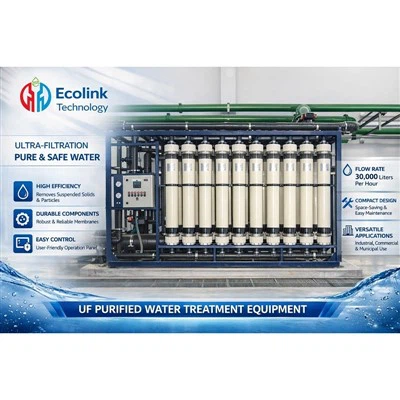
Medium - level automation takes things a step further. These systems can handle more complex tasks autonomously. They're often equipped with advanced sensors and controllers that can adjust multiple treatment parameters simultaneously. For instance, in addition to controlling pumps and chemical dosing based on water quality, they can also optimize the operation of different treatment units like Industrial Ultrafiltration System. These systems can provide real - time data on water quality and equipment performance, allowing operators to monitor the process remotely.
High - Level Automation
High - level automation is the utopia of water treatment systems. These are fully automated plants that can run 24/7 with little to no human intervention. They use artificial intelligence and machine learning algorithms to continuously improve their performance. For example, the system can analyze historical data to predict when maintenance is required, reducing the risk of unexpected breakdowns. High - level automation systems are often used in large - scale industrial applications where precision and reliability are crucial, such as in the Industrial Reverse Osmosis System and Industrial RO Water Treatment System.
Benefits of Higher Automation Levels
There are several benefits to having a higher automation level in purified water treatment equipment.
Improved Efficiency
Automated systems can optimize the use of energy, chemicals, and water. They can adjust the treatment processes in real - time based on the actual water quality, which means they don't waste resources. For example, if the water entering the system is relatively clean, the system can reduce the amount of chemicals used for treatment.
Enhanced Safety
When the equipment operates automatically, it reduces the need for personnel to be in close contact with potentially hazardous chemicals and high - pressure equipment. This lowers the risk of accidents and protects the health of the operators.
Consistent Water Quality
Automation ensures that the treatment process is carried out precisely the same way every time. This results in a more consistent output of purified water, which is especially important for industries that rely on high - quality water, such as the pharmaceutical and food and beverage industries.
Challenges of High - Level Automation
While high - level automation offers many benefits, it's not without its challenges.
High Initial Investment
The cost of installing a fully automated water treatment system can be quite high. This includes the cost of advanced sensors, controllers, and the software needed to run the system. Smaller companies might find it difficult to afford such a large upfront investment.
Technical Expertise
Operating and maintaining highly automated systems requires a certain level of technical knowledge. Companies need to train their staff or hire experts to ensure that the system runs smoothly. If there are any technical glitches, it might take longer to resolve them compared to a simpler, less automated system.
Why Choose Our Purified Water Treatment Equipment?
As a supplier, we offer a range of purified water treatment equipment with different automation levels to meet the diverse needs of our customers. Whether you're a small business on a budget looking for a low - level automation system or a large industrial corporation in need of a high - level automated solution, we've got you covered.
Our equipment is designed with the latest technology and is built to last. We use high - quality sensors and controllers to ensure accurate monitoring and precise control of the treatment process. And if you ever need help, our team of experts is always ready to assist you.


If you're in the market for purified water treatment equipment, we'd love to talk to you. Whether you have questions about automation levels, need a customized solution, or want to learn more about our products, don't hesitate to reach out. We're here to help you find the perfect water treatment solution for your needs.
References
- "Water Treatment Handbook" - Industrial and environmental water treatment manual
- "Automation in Process Industries" - A guide to implementing automation technologies in various industrial processes
So, that's a wrap on the automation level of purified water treatment equipment. If you're interested in exploring our product range or have any specific requirements, get in touch with us. We're excited to help you take your water treatment to the next level.