
Hey there! As a supplier of drinking grade polyaluminium chloride (PAC), I've been getting a lot of questions about how this stuff actually works in flocculation. So, I thought I'd break it down for you in a way that's easy to understand.


First off, let's talk about what flocculation is. In simple terms, it's a process where small particles in water come together to form larger clumps, or flocs. These flocs are then easier to remove from the water, making it cleaner and safer to drink. That's where our drinking grade PAC comes in.
The Basics of Polyaluminium Chloride
Drinking grade PAC is a type of coagulant that's widely used in water treatment. It's made up of a bunch of aluminium compounds, and it's super effective at getting rid of impurities in water. You can check out our Potable Water Grade PAC for more details on the specific product.
The Mechanism of Flocculation
So, how does PAC actually work its magic in flocculation? Well, it all starts with the charge. Most of the particles in water have a negative charge. This negative charge makes them repel each other, which keeps them floating around in the water. PAC, on the other hand, has a positive charge. When you add PAC to water, the positive charge of the PAC neutralizes the negative charge of the particles. This reduces the repulsion between the particles, allowing them to get closer to each other.
Once the particles start getting closer, they begin to collide. These collisions cause the particles to stick together, forming small aggregates. As more and more particles join these aggregates, they grow into larger flocs. The size of these flocs is important because larger flocs are heavier and settle more quickly to the bottom of the water.
Another important mechanism is called adsorption and bridging. PAC can adsorb onto the surface of the particles in water. Once adsorbed, the PAC molecules can act as bridges between different particles. This helps to link the particles together, forming even larger and stronger flocs.
Factors Affecting Flocculation
There are a few factors that can affect how well PAC works in flocculation. One of the most important factors is the pH of the water. PAC works best in a certain pH range. If the pH is too high or too low, the effectiveness of the PAC can be reduced. That's why it's important to monitor and adjust the pH of the water when using PAC.
The dosage of PAC also matters. If you don't add enough PAC, the particles won't be fully neutralized, and the flocs won't form properly. On the other hand, if you add too much PAC, it can cause the water to become cloudy and can even increase the amount of aluminium in the water, which isn't good for drinking.
The temperature of the water can also have an impact. Generally, flocculation happens more quickly at higher temperatures. But if the water is too hot, it can break up the flocs that have already formed.
Our 30% Polyaluminium Chloride
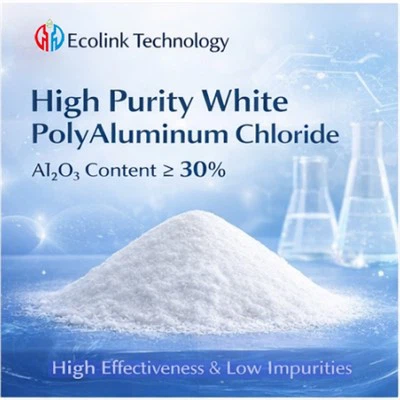
We offer 30% Polyaluminium Chloride, which is a high-quality product that's great for water treatment. This 30% concentration is really effective at forming strong flocs and removing impurities from water. It's been tested and proven to meet the highest standards for drinking water treatment.
Polyaluminium Chloride in Water Treatment
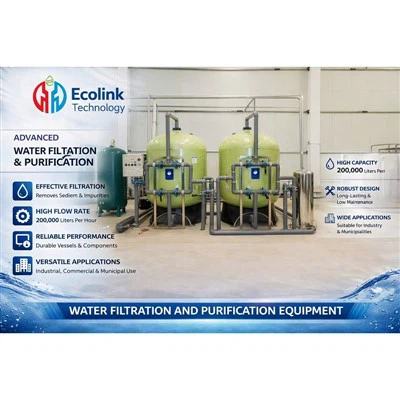
PAC is used in a variety of water treatment processes. It's commonly used in municipal water treatment plants to treat raw water before it's distributed to homes and businesses. It's also used in industrial water treatment to remove contaminants from wastewater. You can learn more about Polyaluminium Chloride in Water Treatment on our website.
Why Choose Our Drinking Grade PAC
As a supplier, we take pride in providing high-quality drinking grade PAC. Our product is made using the latest technology and strict quality control measures. We ensure that our PAC is safe for drinking water and meets all the relevant standards.
We also offer excellent customer service. If you have any questions about our product or how to use it, our team is always ready to help. We can provide you with technical support and advice to make sure you get the best results from our PAC.
Let's Talk Business
If you're in the market for drinking grade polyaluminium chloride, I'd love to have a chat with you. Whether you're a water treatment plant, an industrial facility, or any other organization that needs to treat water, we can provide you with the right product and the support you need. Contact us to start a discussion about your specific requirements and how our PAC can meet them.
References
- Stumm, W., & Morgan, J. J. (1996). Aquatic Chemistry: Chemical Equilibria and Rates in Natural Waters. Wiley-Interscience.
- Letterman, R. D. (2010). Water Quality and Treatment: A Handbook of Community Water Supplies. McGraw-Hill.