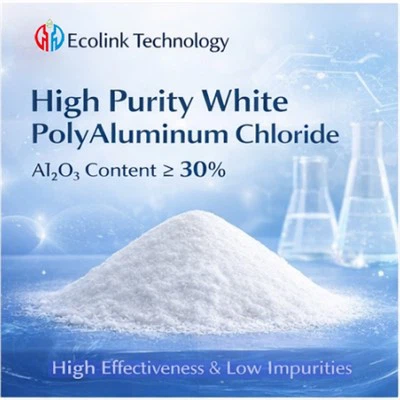

Potable water treatment is a critical process that ensures the safety and quality of the water we consume. In this process, Potable Water Grade PAC (Polyaluminum Chloride) has emerged as a highly effective and reliable solution. As a supplier of Potable Water Grade PAC, I have witnessed firsthand the numerous advantages it offers in potable water treatment. In this blog, I will delve into these advantages and explain why Potable Water Grade PAC is an excellent choice for water treatment facilities.
1. High Purity and Safety
One of the most significant advantages of using Potable Water Grade PAC in potable water treatment is its high purity. This grade of PAC is specifically designed and manufactured to meet the strict standards for drinking water treatment. It contains minimal impurities and heavy metals, ensuring that it does not introduce any harmful substances into the water supply.
For example, White Polyaluminium Chloride High Purity is a type of Potable Water Grade PAC that offers exceptional purity. It is produced using advanced manufacturing processes that remove impurities and ensure a high - quality product. This high - purity PAC is safe for human consumption and does not pose any health risks, making it an ideal choice for treating potable water.
2. Excellent Coagulation and Flocculation
Potable Water Grade PAC is an outstanding coagulant and flocculant. Coagulation is the process of neutralizing the electrical charges of suspended particles in water, causing them to clump together. Flocculation then further aggregates these clumps into larger, heavier particles that can be easily removed from the water.
PAC works by hydrolyzing in water to form positively charged polynuclear complexes. These complexes can effectively neutralize the negatively charged colloidal particles in water, such as clay, silt, and organic matter. Once the charges are neutralized, the particles start to aggregate and form flocs. The flocs are large enough to settle out of the water or be filtered, removing the turbidity and impurities from the water.
Compared to traditional coagulants like aluminum sulfate, Potable Water Grade PAC can achieve better coagulation and flocculation results at a lower dosage. This not only reduces the cost of water treatment but also minimizes the amount of sludge generated during the process.
3. Wide pH Range Applicability
Another advantage of Potable Water Grade PAC is its wide pH range applicability. It can work effectively in a relatively broad pH range, typically from 5 to 9. This is important because the pH of raw water can vary significantly depending on the source.
In water treatment plants, maintaining the optimal pH for coagulation and flocculation is crucial. With Potable Water Grade PAC, operators do not need to make extensive pH adjustments to the raw water. This simplifies the water treatment process and reduces the cost associated with pH control chemicals. For instance, in areas where the raw water has a slightly acidic or alkaline pH, Potable Water Grade PAC can still perform well without the need for excessive pH correction.
4. Fast Reaction Time
Potable Water Grade PAC has a fast reaction time. When added to water, it quickly hydrolyzes and forms the necessary coagulating and flocculating agents. This rapid reaction allows for a more efficient water treatment process.
In a water treatment plant, time is of the essence. The faster the coagulation and flocculation process occurs, the more water can be treated within a given time frame. This is especially important in large - scale water treatment facilities where high - volume water treatment is required. With Potable Water Grade PAC, the water treatment process can be completed more quickly, increasing the overall productivity of the plant.
5. Reduced Residual Aluminum
Residual aluminum in treated water is a concern in water treatment. High levels of aluminum in drinking water have been associated with various health problems, including neurological disorders. Potable Water Grade PAC is designed to minimize the residual aluminum in treated water.
The advanced chemical structure of Potable Water Grade PAC allows for more efficient coagulation and flocculation, which means that less aluminum is required to achieve the desired water quality. As a result, the amount of residual aluminum in the treated water is significantly reduced. This is in contrast to some traditional aluminum - based coagulants, which may leave higher levels of residual aluminum in the water.


6. Compatibility with Other Water Treatment Chemicals
Potable Water Grade PAC is compatible with a wide range of other water treatment chemicals. It can be used in combination with other coagulants, flocculants, disinfectants, and pH - adjusting agents. This compatibility allows water treatment facilities to design a customized treatment process that meets their specific water quality requirements.
For example, Food Grade Polyaluminum Chloride can be used in conjunction with other food - grade water treatment chemicals to ensure the safety and quality of water used in the food and beverage industry. This flexibility in chemical combination gives water treatment operators more options to optimize their treatment processes.
7. Cost - Effectiveness
From a cost - effectiveness perspective, Potable Water Grade PAC offers several benefits. As mentioned earlier, it can achieve better coagulation and flocculation results at a lower dosage compared to traditional coagulants. This means that less PAC is needed to treat a given volume of water, reducing the cost of chemicals.
In addition, the reduced sludge generation associated with Potable Water Grade PAC also leads to cost savings. Sludge disposal is a significant expense in water treatment plants. By generating less sludge, the cost of sludge handling, transportation, and disposal is reduced.
Moreover, the wide pH range applicability and fast reaction time of Potable Water Grade PAC contribute to overall cost savings. The simplified treatment process and increased productivity mean that water treatment plants can operate more efficiently, reducing labor and energy costs.
8. Environmental Friendliness
Potable Water Grade PAC is an environmentally friendly option for water treatment. It is biodegradable and does not persist in the environment. The reduced sludge generation also has a positive environmental impact. Less sludge means less waste that needs to be disposed of, which reduces the burden on landfills and the environment.
In addition, the use of Potable Water Grade PAC can help to improve the overall quality of the water discharged into the environment. By effectively removing impurities and contaminants from the water, it reduces the pollution load on rivers, lakes, and other water bodies.
Contact for Purchase and Consultation
If you are interested in learning more about Potable Water Grade PAC or are considering purchasing it for your water treatment facility, I encourage you to reach out. Our team of experts is ready to provide you with detailed information, technical support, and guidance on how to use Potable Water Grade PAC effectively in your water treatment process. Whether you are a small - scale water treatment plant or a large - scale industrial facility, we can offer customized solutions to meet your specific needs.
References
- Letterman, R. D., & Driscoll, F. T. (1988). Aluminum in water treatment: Part I. Coagulation aspects. Journal (American Water Works Association), 80(11), 74 - 82.
- Gregory, J. (2006). Coagulation and flocculation: a review of theoretical aspects. Water science and technology, 53(4 - 5), 1 - 17.
- Amirtharajah, A., & O'Melia, C. R. (1990). Coagulation. In Water quality and treatment (pp. 3 - 12). McGraw - Hill.