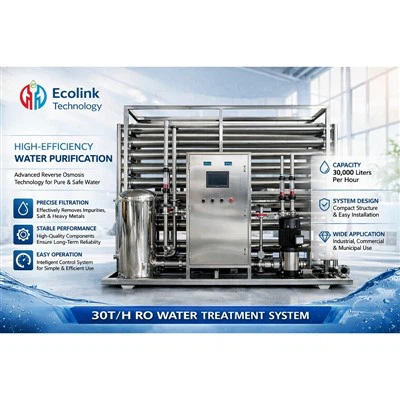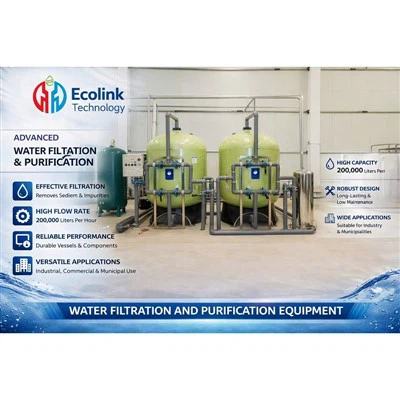

In the dynamic landscape of the shopping mall industry, the demand for high - quality water is ever - increasing. Whether it's for food court operations, restroom facilities, or the operation of various equipment, a reliable water purification system is crucial. As a leading supplier of Industrial Reverse Osmosis System, I am well - versed in the requirements for using such systems in the shopping mall industry.
Water Quality Requirements
One of the primary requirements for using an industrial reverse osmosis system in the shopping mall industry is to meet strict water quality standards. Shopping malls have diverse water usage scenarios. In the food court, for example, water is used for cooking, beverage preparation, and dishwashing. The water must be free from harmful contaminants such as bacteria, viruses, heavy metals, and chemicals.
According to the World Health Organization (WHO) guidelines, the water used for food and beverage preparation should have a low level of microbiological and chemical pollutants. An industrial reverse osmosis system can effectively remove up to 99% of dissolved salts, bacteria, and other impurities from the water. This ensures that the water used in the food court is safe for consumption and meets the health and safety regulations.
In restroom facilities, water quality is also important. Clean water not only provides a better user experience but also helps in maintaining the hygiene of the facilities. Reverse osmosis systems can remove sediment, chlorine, and other substances that may cause unpleasant odors or discoloration in the water.


Capacity and Flow Rate
Shopping malls have a large water demand, especially during peak hours. Therefore, the industrial reverse osmosis system must have an appropriate capacity and flow rate to meet the needs of the entire mall. The capacity of the system is determined by factors such as the number of food outlets, the size of the restrooms, and the usage of water - based equipment.
For example, a large - scale shopping mall with multiple food courts, large restrooms, and water - cooled air - conditioning systems may require a high - capacity industrial reverse osmosis system. The system should be able to produce a sufficient amount of purified water per hour to meet the continuous demand. A system with a low capacity may lead to water shortages, especially during busy periods, which can disrupt the normal operation of the mall.
The flow rate of the system is also crucial. It should be able to deliver water at a consistent rate to ensure that all areas of the mall have access to purified water. A high - flow system can quickly replenish the water supply, reducing the waiting time for water - dependent operations.
Space and Installation Requirements
Shopping malls often have limited space, especially in the back - end areas where the water treatment equipment is usually installed. Therefore, the industrial reverse osmosis system should be compact in size and easy to install.
The system should be designed in a way that it can fit into the available space without causing any obstruction. Some modern industrial reverse osmosis systems are modular in design, which allows for easy installation and expansion. This means that as the water demand of the mall increases, additional modules can be added to the system without significant changes to the existing infrastructure.
In addition, the installation process should be as non - disruptive as possible to the normal operation of the mall. Professional installation teams should be able to complete the installation quickly and efficiently, minimizing the impact on the mall's business.
Maintenance and Service Requirements
Regular maintenance is essential for the proper functioning of an industrial reverse osmosis system. Shopping malls need to ensure that the system is well - maintained to avoid breakdowns and ensure a continuous supply of purified water.
The maintenance requirements of an industrial reverse osmosis system include filter replacement, membrane cleaning, and system inspection. Filters need to be replaced at regular intervals to ensure that they can effectively remove impurities from the water. Membrane cleaning is also necessary to prevent fouling and maintain the efficiency of the system.
As a supplier, we offer comprehensive maintenance and service packages. Our team of experts can provide on - site maintenance, filter replacement, and system troubleshooting. We also offer remote monitoring services, which allow us to detect any potential problems in the system before they cause significant disruptions.
Energy Efficiency
In today's environmentally conscious world, energy efficiency is an important consideration for shopping malls. Industrial reverse osmosis systems can consume a significant amount of energy, especially during the operation of the high - pressure pumps. Therefore, it is essential to choose a system that is energy - efficient.
Modern industrial reverse osmosis systems are designed with advanced technologies to reduce energy consumption. For example, some systems use energy - recovery devices to reuse the energy from the reject water. This not only reduces the energy cost but also makes the system more environmentally friendly.
By using an energy - efficient industrial reverse osmosis system, shopping malls can not only save on energy costs but also contribute to sustainable development.
Cost - Benefit Analysis
When considering the use of an industrial reverse osmosis system in the shopping mall industry, a cost - benefit analysis is necessary. The initial investment in the system may be relatively high, but the long - term benefits can outweigh the costs.
On the one hand, the cost of purchasing and installing an industrial reverse osmosis system includes the equipment cost, installation cost, and initial commissioning cost. On the other hand, the benefits include improved water quality, reduced water - related health risks, and lower maintenance costs in the long run.
For example, by using a high - quality industrial reverse osmosis system, shopping malls can reduce the risk of water - borne diseases, which can save on medical expenses and potential legal liabilities. In addition, the system can also extend the lifespan of water - based equipment, reducing the need for frequent replacements.
Compatibility with Existing Infrastructure
Shopping malls may already have an existing water supply and distribution system. Therefore, the industrial reverse osmosis system should be compatible with the existing infrastructure.
The system should be able to connect to the existing water supply pipes without major modifications. It should also be able to integrate with the mall's water distribution system to ensure that the purified water can be delivered to all areas of the mall.
In some cases, the existing infrastructure may need to be upgraded to accommodate the industrial reverse osmosis system. However, this should be done in a way that minimizes the cost and disruption to the mall's operation.
Regulatory Compliance
The shopping mall industry is subject to various regulations regarding water quality and safety. Therefore, the industrial reverse osmosis system must comply with all relevant regulations.
These regulations may include local, national, and international standards for water quality. For example, in the United States, the Environmental Protection Agency (EPA) sets standards for drinking water quality. The industrial reverse osmosis system should be able to meet these standards to ensure the safety of the water used in the mall.
As a supplier, we ensure that our Industrial RO Water Treatment System complies with all relevant regulations. We provide all the necessary documentation and certifications to prove the compliance of our systems.
Conclusion
In conclusion, the requirements for using an industrial reverse osmosis system in the shopping mall industry are diverse and complex. From water quality and capacity to space, maintenance, and regulatory compliance, every aspect needs to be carefully considered.
As a leading supplier of Industrial Water Filtration Equipment and industrial reverse osmosis systems, we have the expertise and experience to meet the specific needs of shopping malls. Our systems are designed to provide high - quality, reliable, and energy - efficient water purification solutions.
If you are a shopping mall owner or manager and are interested in learning more about our industrial reverse osmosis systems, we invite you to contact us for a detailed discussion. We can provide customized solutions based on your specific requirements and help you make an informed decision.
References
- World Health Organization. (2017). Guidelines for Drinking - Water Quality.
- Environmental Protection Agency. (2020). National Primary Drinking Water Regulations.