
Potable water is a fundamental necessity for human survival, and its quality is of utmost importance. As a supplier of Potable Water Grade PAC (Polyaluminium Chloride), I often encounter questions regarding the impact of our product on the taste of potable water. In this blog, we will delve into the scientific aspects of this topic to understand whether Potable Water Grade PAC affects the taste of potable water.
Understanding Potable Water Grade PAC
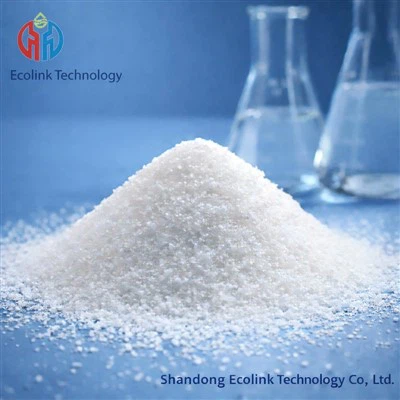
Potable Water Grade PAC is a high - quality coagulant widely used in water treatment processes for potable water. It is designed to remove impurities, such as suspended solids, turbidity, and certain organic matter from water. The chemical composition of PAC consists of polyaluminium compounds, which have a strong ability to neutralize the charge of colloidal particles in water, causing them to aggregate and settle out.


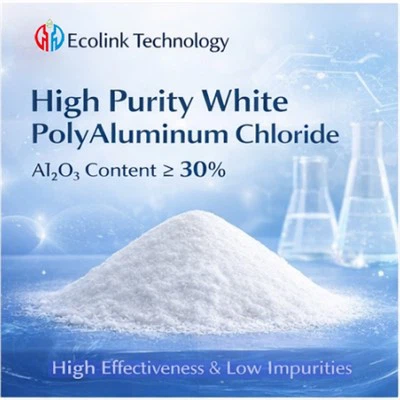
There are different types of Potable Water Grade PAC available in the market. For example, White Polyaluminium Chloride High Purity is known for its high purity and is often used in applications where strict water quality standards are required. Poly Aluminium Chloride 30 has a specific aluminium oxide content of 30%, which makes it suitable for a wide range of water treatment scenarios. White Polyaluminium Chloride Drinking Water is specially formulated for use in the treatment of drinking water, ensuring that it meets the safety and quality requirements for human consumption.
The Mechanism of PAC in Water Treatment
When Potable Water Grade PAC is added to water, it hydrolyzes in the water to form various hydroxyl - aluminium polymers. These polymers act as coagulants, binding to the suspended particles in the water. The negatively charged colloidal particles in the water are neutralized by the positively charged aluminium polymers, which causes the particles to come together and form larger flocs. These flocs can then be easily removed through sedimentation or filtration processes.
The effectiveness of PAC in water treatment depends on several factors, including the dosage of PAC, the pH of the water, and the characteristics of the impurities in the water. A proper dosage of PAC is crucial to achieve optimal water treatment results. If the dosage is too low, the coagulation process may be incomplete, and some impurities may remain in the water. On the other hand, if the dosage is too high, it may lead to the formation of excessive flocs or the presence of residual aluminium in the water.
Does Potable Water Grade PAC Affect the Taste of Potable Water?
In general, when used within the recommended dosage range, Potable Water Grade PAC does not significantly affect the taste of potable water. The main function of PAC is to remove impurities from the water, which can actually improve the taste of the water by reducing unpleasant odors and flavors associated with contaminants.
However, if the dosage of PAC is not properly controlled, it may lead to some issues that could potentially affect the taste of the water. For example, an excessive amount of PAC may result in the presence of residual aluminium in the water. Although the World Health Organization (WHO) has set a limit for aluminium in drinking water, high levels of aluminium can give the water a slightly metallic taste.
Another factor that could potentially affect the taste is the reaction between PAC and other substances in the water. For instance, if the water contains high levels of certain organic compounds, the interaction between PAC and these compounds may produce by - products that could alter the taste of the water. However, this is usually a rare occurrence and can be avoided through proper water treatment processes and quality control.
Scientific Studies on the Impact of PAC on Water Taste
Numerous scientific studies have been conducted to investigate the impact of PAC on the taste of potable water. These studies have generally shown that when PAC is used in accordance with the recommended guidelines, it has a negligible effect on the taste of water.
One study involved a series of taste tests on water samples treated with different dosages of PAC. The results indicated that the majority of the participants could not detect any significant difference in the taste of the water treated with PAC within the normal dosage range. Only when the dosage was significantly higher than the recommended level did some participants report a slight metallic taste.
Another study focused on the long - term effects of PAC on water taste. The researchers monitored the taste of water treated with PAC over a period of several months and found that there was no significant change in the taste of the water over time. This suggests that PAC is a stable and reliable coagulant for water treatment without causing long - term taste issues.
Quality Control and Assurance
As a Potable Water Grade PAC supplier, we are committed to ensuring the quality of our products. We have strict quality control measures in place to ensure that our PAC meets the highest standards for potable water treatment. Our products are tested regularly to ensure that they are free from contaminants and that they perform effectively in water treatment processes.
We also provide detailed guidelines on the proper use of our PAC products, including the recommended dosage and application methods. By following these guidelines, water treatment plants can ensure that they are using PAC in the most effective and safe way, minimizing the potential impact on the taste of potable water.
Conclusion
In conclusion, Potable Water Grade PAC, when used within the recommended dosage range, does not significantly affect the taste of potable water. On the contrary, it can improve the taste of water by removing impurities and contaminants. However, it is important to ensure proper dosage and quality control to avoid any potential issues related to taste.
If you are involved in the water treatment industry and are looking for high - quality Potable Water Grade PAC, we are here to help. Our products are designed to meet the strictest water quality standards and can provide effective water treatment solutions. Contact us to discuss your specific requirements and start a procurement negotiation.
References
- World Health Organization. Guidelines for Drinking - Water Quality.
- Scientific studies on the use of polyaluminium chloride in water treatment.