
As a supplier of industrial water filtration equipment, I have witnessed firsthand the crucial role these systems play in various industries. Industrial water filtration equipment is designed to remove impurities, contaminants, and unwanted substances from water, ensuring that it meets the specific requirements of industrial processes. In this blog, I will discuss the key features of industrial water filtration equipment and how they contribute to the efficiency and effectiveness of water treatment.
High Filtration Efficiency
One of the primary features of industrial water filtration equipment is its high filtration efficiency. These systems are capable of removing a wide range of contaminants, including suspended solids, sediment, bacteria, viruses, and dissolved impurities. The filtration process typically involves multiple stages, each designed to target specific types of contaminants. For example, a pre - filter may be used to remove large particles, followed by a more fine - tuned filter to remove smaller particles and dissolved substances. This multi - stage approach ensures that the water is thoroughly purified and meets the desired quality standards.
The use of advanced filtration media is also a key factor in achieving high filtration efficiency. Materials such as activated carbon, ceramic filters, and membrane filters are commonly used in industrial water filtration systems. Activated carbon is effective in removing organic compounds, chlorine, and odors, while ceramic filters can trap fine particles and some microorganisms. Membrane filters, such as reverse osmosis membranes, are highly efficient at removing dissolved salts, heavy metals, and other contaminants at the molecular level.
Customizability
Industrial water filtration equipment is highly customizable to meet the specific needs of different industries and applications. Each industry has unique water quality requirements, and the filtration system can be tailored accordingly. For example, in the food and beverage industry, the water used for production must meet strict hygiene standards. The filtration system can be designed to remove bacteria, viruses, and other pathogens, as well as any chemical contaminants that could affect the taste or quality of the product.
In the pharmaceutical industry, water purity is of utmost importance. Industrial water filtration equipment can be customized to produce water of the highest quality, suitable for use in drug manufacturing processes. This may involve the use of ultra - pure water systems that incorporate advanced filtration technologies such as reverse osmosis, ion exchange, and ultraviolet disinfection.
Durability and Reliability
Industrial water filtration equipment is built to last. These systems are designed to withstand harsh industrial environments, including high temperatures, pressures, and chemical exposure. The materials used in the construction of the equipment are carefully selected for their durability and resistance to corrosion. For example, stainless steel is commonly used for the housing of filters and other components, as it is strong, resistant to rust, and can withstand a wide range of chemical substances.
Reliability is also a key feature of industrial water filtration equipment. These systems are designed to operate continuously without interruption, ensuring a consistent supply of clean water. Regular maintenance and monitoring are essential to keep the equipment in optimal working condition. Most industrial water filtration systems are equipped with sensors and monitoring devices that can detect any issues or malfunctions, allowing for timely repairs and maintenance.


Energy Efficiency
In today's world, energy efficiency is a major concern for industries. Industrial water filtration equipment is designed to be energy - efficient, reducing the overall operating costs. Many modern filtration systems use advanced technologies that require less energy to operate. For example, some reverse osmosis systems are equipped with energy - recovery devices that can reuse the energy from the pressurized water, reducing the energy consumption of the system.
In addition, the design of the filtration system can also contribute to energy efficiency. For example, a well - designed system will have a low pressure drop, which means that less energy is required to pump the water through the filters. This not only reduces energy consumption but also extends the lifespan of the pumps and other components.
Ease of Operation and Maintenance
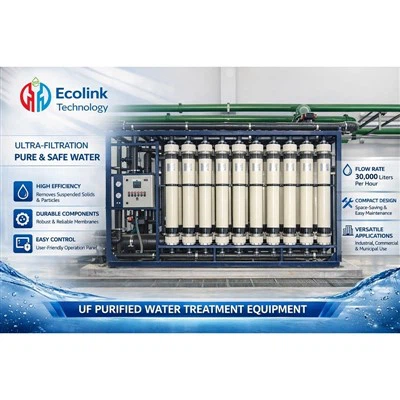
Industrial water filtration equipment is designed to be easy to operate and maintain. Most systems come with user - friendly control panels that allow operators to monitor and adjust the filtration process. The control panels provide real - time information on the water quality, flow rate, and other important parameters.
Maintenance of industrial water filtration equipment is also relatively straightforward. Filters need to be replaced regularly to ensure optimal performance. Many filtration systems are designed with easy - to - access filter cartridges, making it simple for operators to replace them. In addition, the equipment is often equipped with self - cleaning mechanisms that can remove debris and contaminants from the filters, reducing the frequency of manual cleaning.
Cost - Effectiveness
When considering industrial water filtration equipment, cost - effectiveness is an important factor. These systems offer long - term cost savings by reducing the need for expensive water treatment chemicals and minimizing downtime due to equipment failure. By producing high - quality water, the equipment can also improve the efficiency of industrial processes, leading to increased productivity and reduced waste.
In addition, the initial investment in industrial water filtration equipment can be offset by the savings in water consumption and treatment costs over time. For example, a well - designed filtration system can reduce the amount of water wasted during the treatment process, resulting in significant cost savings in the long run.
Integration with Other Systems
Industrial water filtration equipment can be easily integrated with other industrial systems. For example, it can be connected to a water supply system to ensure a continuous supply of clean water. It can also be integrated with a wastewater treatment system to treat and recycle the water, reducing the environmental impact of industrial processes.
In some cases, industrial water filtration equipment can be integrated with a process control system. This allows for real - time monitoring and adjustment of the filtration process based on the specific requirements of the industrial process. For example, if the water quality changes, the system can automatically adjust the filtration parameters to ensure that the water continues to meet the desired standards.
Compliance with Standards
Industrial water filtration equipment must comply with various national and international standards. These standards ensure that the equipment is safe, reliable, and effective in removing contaminants from water. For example, in the United States, the Environmental Protection Agency (EPA) sets standards for drinking water quality, and industrial water filtration equipment must meet these standards if the water is intended for human consumption.
In addition, many industries have their own specific standards and regulations regarding water quality. Industrial water filtration equipment must be designed and manufactured to meet these industry - specific requirements. This ensures that the equipment can be used safely and effectively in various industrial applications.
Conclusion
Industrial water filtration equipment plays a vital role in ensuring the quality and safety of water in various industries. The features of high filtration efficiency, customizability, durability, reliability, energy efficiency, ease of operation and maintenance, cost - effectiveness, integration with other systems, and compliance with standards make these systems essential for industrial processes.
If you are in need of industrial water filtration equipment, we offer a wide range of products to meet your specific needs. Our Industrial RO Water Treatment System, Industrial Water Filtration System, and Industrial Reverse Osmosis System are designed with the latest technologies and highest quality materials to provide you with reliable and efficient water treatment solutions.
Contact us today to discuss your industrial water filtration requirements and let us help you find the best solution for your business.
References
- "Water Treatment Handbook", John Wiley & Sons.
- "Industrial Water Treatment: Principles and Practice", CRC Press.
- "Filtration and Separation Technology", Elsevier.