
Yo, folks! As a supplier of Potable Water Grade PAC, I've been getting a lot of questions about how it affects water fluoride levels. So, I thought I'd dive into this topic and share some insights.
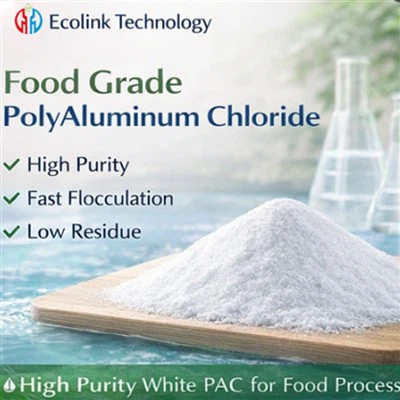
First off, let's talk about what Potable Water Grade PAC is. PAC stands for Poly Aluminium Chloride. It's a chemical coagulant that's widely used in water treatment processes. We offer different types of PAC, like Poly Aluminium Chloride 30, Food Grade Polyaluminum Chloride, and White PAC 30% Food Grade. These products are designed to purify water and make it safe for consumption.
Now, let's get to the main question: What are the effects of Potable Water Grade PAC on water fluoride levels?


How PAC Works in Water Treatment
When PAC is added to water, it forms positively charged ions. These ions neutralize the negatively charged particles in the water, such as dirt, bacteria, and other impurities. As a result, these particles clump together and settle at the bottom of the water tank, making it easier to remove them.
Interaction with Fluoride
Fluoride is a naturally occurring element in water. In some cases, the fluoride levels in water can be too high, which can be harmful to human health. High fluoride levels can cause dental fluorosis, skeletal fluorosis, and other health problems.
Potable Water Grade PAC can have an impact on water fluoride levels in a few ways.
Adsorption
One of the main ways PAC affects fluoride levels is through adsorption. The positively charged ions in PAC can attract the negatively charged fluoride ions in the water. This causes the fluoride ions to attach to the PAC particles. As the PAC particles settle to the bottom of the water tank, the fluoride ions are removed from the water along with them.
Precipitation
PAC can also cause fluoride to precipitate out of the water. When PAC is added to water, it can react with other chemicals in the water to form insoluble compounds. These compounds can trap the fluoride ions and cause them to precipitate out of the water.
Factors Affecting the Impact on Fluoride Levels
The impact of Potable Water Grade PAC on water fluoride levels can be affected by several factors.
PAC Dosage
The amount of PAC added to the water is an important factor. If too little PAC is added, it may not be able to effectively remove the fluoride ions. On the other hand, if too much PAC is added, it can cause other problems, such as increased turbidity in the water.
Water pH
The pH of the water also plays a role. PAC works best in a certain pH range. If the water pH is too high or too low, the effectiveness of PAC in removing fluoride may be reduced.
Initial Fluoride Concentration
The initial concentration of fluoride in the water is another factor. If the fluoride concentration is very high, it may be more difficult for PAC to reduce the levels to a safe range.
Benefits of Using Potable Water Grade PAC for Fluoride Removal
Using Potable Water Grade PAC to reduce water fluoride levels has several benefits.
Cost-Effective
PAC is a relatively inexpensive chemical compared to other water treatment methods. It can be an affordable option for water treatment plants and communities looking to reduce fluoride levels in their water.
Efficient
PAC is a highly efficient coagulant. It can quickly and effectively remove fluoride ions from the water, making the water safer for consumption.
Versatile
PAC can be used in a variety of water treatment processes. It can be used in combination with other chemicals to achieve better results.
Case Studies
Let's take a look at some real-world examples of how Potable Water Grade PAC has been used to reduce water fluoride levels.
In a small town, the water supply had high fluoride levels. The local water treatment plant decided to use PAC to treat the water. After adding PAC to the water, the fluoride levels were significantly reduced. The treated water met the safety standards for fluoride, and the residents were able to use the water without any health concerns.
Conclusion
In conclusion, Potable Water Grade PAC can have a significant impact on water fluoride levels. It can remove fluoride ions from the water through adsorption and precipitation. The effectiveness of PAC in reducing fluoride levels depends on several factors, such as PAC dosage, water pH, and initial fluoride concentration. Using PAC for fluoride removal is cost-effective, efficient, and versatile.
If you're interested in using Potable Water Grade PAC for your water treatment needs, feel free to reach out. We're here to help you find the best solution for your water quality requirements. Whether you're a water treatment plant, a community, or an industrial facility, we can provide you with the right PAC product and support.
References
- Some scientific research papers on water treatment and fluoride removal.
- Industry reports on the use of PAC in water treatment.