
When it comes to industrial water filtration, two primary types of systems dominate the market: membrane-based and non-membrane systems. As a trusted supplier of Industrial Water Filtration System, I've witnessed firsthand the unique characteristics, advantages, and limitations of each approach. In this blog post, I'll delve into the differences between these two types of filtration systems to help you make an informed decision for your industrial water treatment needs.
Principle of Operation
Membrane-Based Systems
Membrane-based filtration systems rely on semi-permeable membranes to separate contaminants from water. These membranes have tiny pores that allow water molecules to pass through while blocking larger particles, dissolved solids, and microorganisms. The most common types of membrane filtration include microfiltration (MF), ultrafiltration (UF), nanofiltration (NF), and reverse osmosis (RO).
- Microfiltration (MF): MF membranes have pore sizes ranging from 0.1 to 10 micrometers, making them effective at removing suspended solids, bacteria, and some larger viruses. This process is often used as a pre-treatment step to protect downstream membranes or as a final polishing step for water with relatively low levels of contaminants.
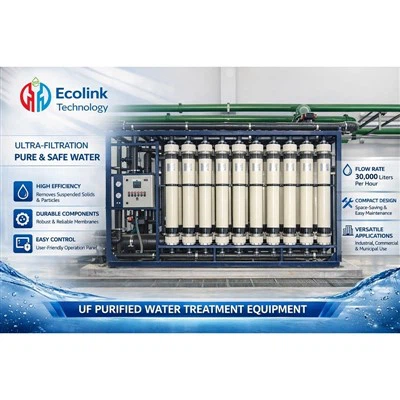
- Ultrafiltration (UF): UF membranes have smaller pore sizes, typically between 0.01 and 0.1 micrometers. They can remove a wider range of contaminants, including colloids, proteins, and some viruses. UF is commonly used in applications such as wastewater treatment, food and beverage processing, and pharmaceutical manufacturing.
- Nanofiltration (NF): NF membranes have even smaller pore sizes, typically between 0.001 and 0.01 micrometers. They can remove most dissolved salts, organic compounds, and some divalent ions. NF is often used in applications such as water softening, desalination of brackish water, and removal of specific contaminants from industrial wastewater.
- Reverse Osmosis (RO): RO membranes have the smallest pore sizes, typically less than 0.001 micrometers. They can remove almost all dissolved salts, organic compounds, and microorganisms, producing high-quality purified water. RO is widely used in applications such as desalination of seawater, production of ultrapure water for electronics manufacturing, and treatment of industrial wastewater.
Non-Membrane Systems
Non-membrane filtration systems use physical or chemical processes to remove contaminants from water without the use of membranes. These systems typically rely on media filtration, ion exchange, adsorption, or chemical precipitation to separate contaminants from water.


- Media Filtration: Media filtration involves passing water through a bed of granular media, such as sand, gravel, or activated carbon. The media traps and removes suspended solids, sediment, and some dissolved contaminants. Media filtration is commonly used as a pre-treatment step to remove large particles and protect downstream treatment processes.
- Ion Exchange: Ion exchange is a process in which ions in water are exchanged for other ions on a resin bed. This process is used to remove specific ions, such as calcium, magnesium, and sodium, from water. Ion exchange is commonly used in water softening, demineralization, and removal of heavy metals from industrial wastewater.
- Adsorption: Adsorption is a process in which contaminants are adsorbed onto the surface of a solid adsorbent, such as activated carbon or zeolite. This process is used to remove organic compounds, odors, and some dissolved contaminants from water. Adsorption is commonly used in water treatment, air purification, and gas separation.
- Chemical Precipitation: Chemical precipitation is a process in which chemicals are added to water to cause contaminants to precipitate out of solution. This process is used to remove heavy metals, phosphates, and other contaminants from water. Chemical precipitation is commonly used in wastewater treatment, mining, and metal finishing.
Performance and Efficiency
Membrane-Based Systems
Membrane-based filtration systems offer several advantages in terms of performance and efficiency. They can remove a wide range of contaminants, including suspended solids, dissolved salts, organic compounds, and microorganisms, producing high-quality purified water. Membrane systems are also highly efficient, with high rejection rates and low energy consumption.
- High Rejection Rates: Membrane systems can achieve high rejection rates for a wide range of contaminants, including dissolved salts, organic compounds, and microorganisms. This makes them suitable for applications where high-quality water is required, such as in the pharmaceutical, food and beverage, and electronics industries.
- Low Energy Consumption: Membrane systems typically have lower energy consumption compared to non-membrane systems. This is because they rely on pressure-driven filtration, which requires less energy than other filtration processes, such as chemical precipitation or ion exchange.
- Continuous Operation: Membrane systems can operate continuously, providing a consistent supply of high-quality water. This makes them suitable for applications where a continuous supply of water is required, such as in industrial processes or municipal water treatment.
Non-Membrane Systems
Non-membrane filtration systems also offer several advantages in terms of performance and efficiency. They can remove a wide range of contaminants, including suspended solids, dissolved salts, organic compounds, and microorganisms, using a variety of physical and chemical processes. Non-membrane systems are also relatively simple and easy to operate, making them suitable for small-scale applications.
- Flexibility: Non-membrane systems can be designed to remove specific contaminants from water, depending on the application. This makes them suitable for a wide range of applications, including water treatment, wastewater treatment, and industrial processes.
- Low Cost: Non-membrane systems are typically less expensive than membrane-based systems, making them suitable for small-scale applications or applications where cost is a major factor.
- Ease of Operation: Non-membrane systems are relatively simple and easy to operate, requiring less maintenance and technical expertise compared to membrane-based systems. This makes them suitable for small-scale applications or applications where operator training is limited.
Maintenance and Lifespan
Membrane-Based Systems
Membrane-based filtration systems require regular maintenance to ensure optimal performance and longevity. This includes cleaning the membranes to remove fouling and scaling, replacing the membranes when they reach the end of their lifespan, and monitoring the system for leaks and other issues.
- Membrane Cleaning: Membrane cleaning is an important part of maintaining membrane-based filtration systems. Fouling and scaling can reduce the performance of the membranes and increase the energy consumption of the system. Regular cleaning can help to prevent fouling and scaling and extend the lifespan of the membranes.
- Membrane Replacement: Membranes have a limited lifespan and need to be replaced periodically. The lifespan of the membranes depends on several factors, including the type of membrane, the quality of the feed water, and the operating conditions of the system.
- System Monitoring: Membrane-based filtration systems need to be monitored regularly to ensure optimal performance and prevent issues such as leaks and membrane fouling. This includes monitoring the pressure, flow rate, and quality of the feed water and the permeate.
Non-Membrane Systems
Non-membrane filtration systems also require regular maintenance to ensure optimal performance and longevity. This includes replacing the media or resin beds, cleaning the equipment, and monitoring the system for leaks and other issues.
- Media or Resin Replacement: Media or resin beds need to be replaced periodically to maintain the performance of the system. The lifespan of the media or resin beds depends on several factors, including the type of media or resin, the quality of the feed water, and the operating conditions of the system.
- Equipment Cleaning: Non-membrane filtration systems need to be cleaned regularly to prevent fouling and scaling. This includes cleaning the filters, pumps, and other equipment to ensure optimal performance.
- System Monitoring: Non-membrane filtration systems need to be monitored regularly to ensure optimal performance and prevent issues such as leaks and equipment failure. This includes monitoring the pressure, flow rate, and quality of the feed water and the treated water.
Cost
Membrane-Based Systems
Membrane-based filtration systems typically have a higher upfront cost compared to non-membrane systems. This is because the membranes and the associated equipment are more expensive. However, membrane-based systems can offer lower operating costs in the long run, due to their high efficiency and low energy consumption.
- Upfront Cost: The upfront cost of a membrane-based filtration system includes the cost of the membranes, the housing, the pumps, and the other equipment. The cost of the membranes can vary depending on the type of membrane, the size of the system, and the application.
- Operating Cost: The operating cost of a membrane-based filtration system includes the cost of energy, water, and chemicals. Membrane-based systems typically have lower energy consumption compared to non-membrane systems, which can result in lower operating costs in the long run.
Non-Membrane Systems
Non-membrane filtration systems typically have a lower upfront cost compared to membrane-based systems. This is because the media or resin beds and the associated equipment are less expensive. However, non-membrane systems can have higher operating costs in the long run, due to the need for regular media or resin replacement and the use of chemicals.
- Upfront Cost: The upfront cost of a non-membrane filtration system includes the cost of the media or resin beds, the housing, the pumps, and the other equipment. The cost of the media or resin beds can vary depending on the type of media or resin, the size of the system, and the application.
- Operating Cost: The operating cost of a non-membrane filtration system includes the cost of energy, water, and chemicals. Non-membrane systems typically require more frequent media or resin replacement and the use of chemicals, which can result in higher operating costs in the long run.
Conclusion
In conclusion, both membrane-based and non-membrane industrial water filtration systems have their own unique advantages and limitations. Membrane-based systems offer high performance, efficiency, and continuous operation, but they require regular maintenance and have a higher upfront cost. Non-membrane systems offer flexibility, low cost, and ease of operation, but they may have lower performance and require more frequent maintenance.
As a supplier of Industrial Water Filtration Equipment, I can help you choose the right filtration system for your specific needs. Whether you need a membrane-based system for high-quality water purification or a non-membrane system for cost-effective water treatment, I have the expertise and experience to provide you with the best solution.
If you're interested in learning more about our industrial water filtration systems or have any questions, please don't hesitate to contact us. We're here to help you find the right solution for your industrial water treatment needs.
References
- Cheryan, M. (1998). Ultrafiltration and Microfiltration Handbook. Technomic Publishing Company.
- Crittenden, J. C., Trussell, R. R., Hand, D. W., Howe, K. J., & Tchobanoglous, G. (2012). Water Treatment: Principles and Design. John Wiley & Sons.
- Fane, A. G., & Fell, C. J. D. (1987). Membrane Separation Technology: Principles and Applications. Elsevier.