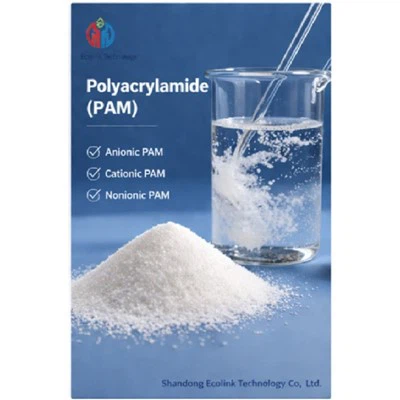

Hey there! As a supplier of nonionic polyacrylamide, I'm super stoked to chat with you about how this amazing stuff can improve the clarity of water. Nonionic polyacrylamide, often referred to as NPA, is a game - changer in the water treatment industry.
Let's first understand what nonionic polyacrylamide is. It's a type of polymer that's neutral in charge. Unlike its ionic counterparts, it doesn't carry a positive or negative charge. This unique property makes it suitable for a wide range of water treatment applications. You can learn more about it here: Nonionic Flocculant.
How Nonionic Polyacrylamide Works
When it comes to water clarity, the key lies in how nonionic polyacrylamide interacts with the impurities in water. Water can be full of all sorts of stuff like suspended solids, colloids, and other fine particles. These particles are so small that they can stay suspended in water for a long time, making the water look cloudy.
Nonionic polyacrylamide works through a process called flocculation. Flocculation is all about getting those tiny particles to come together and form larger clumps, or flocs. When you add nonionic polyacrylamide to water, the long polymer chains in it start to interact with the suspended particles. The polymer chains wrap around the particles, kind of like a net. As more and more particles get caught in this polymer net, they start to stick together and form bigger flocs.
These larger flocs are much heavier than the individual particles. Gravity then takes over, and the flocs start to settle to the bottom of the water container. This settling process is called sedimentation. Once the flocs have settled, the clear water on top can be easily separated from the sediment at the bottom.
Advantages of Nonionic Polyacrylamide in Water Clarity
One of the big advantages of nonionic polyacrylamide is its versatility. It can be used in different types of water, whether it's freshwater, seawater, or industrial wastewater. This is because its non - ionic nature means it's not affected by the charge of the particles in the water. It can work effectively in a wide range of pH levels, from acidic to alkaline.
Another advantage is its high efficiency. Even in small doses, nonionic polyacrylamide can significantly improve water clarity. This means you don't need to use a large amount of it, which can save costs in the long run. It also works relatively quickly, so you can get clear water in a shorter period.
Nonionic polyacrylamide is also environmentally friendly. It's biodegradable, which means it won't cause long - term pollution in the environment. This is a huge plus, especially when it comes to treating water that will be released back into nature.
Applications in Different Industries
Mining Industry
In the mining industry, water is used in various processes like ore washing and tailings management. The water used in these processes often contains a lot of fine particles and heavy metals. Nonionic polyacrylamide can be a real lifesaver here. It helps to separate the solid particles from the water, making the water clearer and reusable. You can find more about nonionic polyacrylamide for the mining industry here: Nonionic Flocculant for Mine.


By using nonionic polyacrylamide, mining companies can reduce their water consumption and also meet environmental regulations. The clear water can be recycled back into the mining processes, which not only saves water but also reduces the cost of water treatment.
Paper Industry
The paper industry also benefits a lot from nonionic polyacrylamide. During the paper - making process, a large amount of water is used. This water contains fibers, fillers, and other impurities. Nonionic polyacrylamide helps to flocculate these impurities, allowing them to be removed from the water. This not only improves the quality of the water but also helps to recover valuable fibers and fillers, which can be reused in the paper - making process.
Municipal Water Treatment
In municipal water treatment plants, nonionic polyacrylamide is used to treat drinking water. It helps to remove turbidity, which is the cloudiness in water caused by suspended particles. By improving water clarity, nonionic polyacrylamide makes the water safer to drink. It also reduces the load on other water treatment processes like filtration and disinfection.
Factors Affecting the Performance of Nonionic Polyacrylamide
The performance of nonionic polyacrylamide in improving water clarity can be affected by several factors. One of the most important factors is the molecular weight of the polymer. Higher molecular weight nonionic polyacrylamide usually forms larger flocs, which settle more quickly. However, it also needs to be used in the right concentration. If the concentration is too high, it can cause the flocs to become too large and break apart, which can actually reduce the clarity of the water.
The pH of the water also plays a role. Although nonionic polyacrylamide can work in a wide range of pH levels, the optimal pH for its performance may vary depending on the type of water and the impurities present. Temperature is another factor. In general, higher temperatures can speed up the flocculation process, but extremely high temperatures can also degrade the polymer.
Choosing the Right Nonionic Polyacrylamide
Choosing the right nonionic polyacrylamide for your water treatment needs is crucial. You need to consider factors like the type of water, the nature of the impurities, and the desired level of water clarity. There are different grades of nonionic polyacrylamide available, each with its own properties and applications. You can check out Neutral Polyacrylamide to get more information on different types.
If you're not sure which grade to choose, it's a good idea to do some small - scale tests. You can take a sample of your water and try different grades of nonionic polyacrylamide at different concentrations. This will help you find the most effective and cost - efficient solution for your water treatment.
Conclusion
Nonionic polyacrylamide is an amazing tool for improving water clarity. Its ability to flocculate suspended particles, its versatility, and its environmental friendliness make it a top choice for water treatment in various industries. Whether you're in the mining, paper, or municipal water treatment industry, nonionic polyacrylamide can help you get clear, clean water.
If you're interested in using nonionic polyacrylamide for your water treatment needs, don't hesitate to reach out. We're here to help you choose the right product and provide you with all the support you need. Let's work together to make your water clearer and your operations more efficient.
References
- Environmental Science and Technology textbooks on water treatment
- Industry reports on the use of nonionic polyacrylamide in different sectors