
Hey there! As a supplier of white polyaluminium chloride, I often get asked whether it can be used in leather wastewater treatment. Well, let's dive right into this topic and find out.
Leather wastewater is a real headache. It's loaded with all sorts of pollutants, like suspended solids, organic matter, heavy metals, and sulfides. These contaminants not only make the water look murky but also pose a serious threat to the environment if not properly treated. That's where white polyaluminium chloride comes in.


White polyaluminium chloride, also known as PAC, is a coagulant that's widely used in water treatment. It's got some pretty amazing properties that make it a great candidate for dealing with leather wastewater.
First off, it's a powerful coagulant. When you add white polyaluminium chloride to leather wastewater, it quickly forms flocs. These flocs are like little magnets that attract and bind together the suspended solids and other impurities in the water. As a result, the solids settle down to the bottom, making it easier to separate them from the clean water.
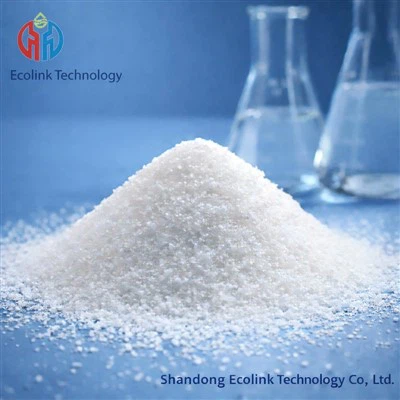
Another great thing about white polyaluminium chloride is its high purity. Our White PAC 30% Food Grade is a prime example. It's made with top - notch raw materials and advanced manufacturing processes, which means it's free from a lot of the impurities that can cause problems in water treatment. This high purity ensures that it works effectively without introducing additional contaminants into the wastewater.
In addition, white polyaluminium chloride has a wide pH range of application. Leather wastewater can have a varying pH, and white polyaluminium chloride can still perform well across a relatively broad pH spectrum. This flexibility is really important because it allows for more efficient treatment in different wastewater conditions.
Let's talk about the specific pollutants in leather wastewater and how white polyaluminium chloride can tackle them.
Suspended solids are one of the most obvious contaminants in leather wastewater. They make the water look turbid and can clog pipes and treatment equipment. White polyaluminium chloride's coagulation action helps to aggregate these solids, forming larger particles that can be easily removed through sedimentation or filtration.
Organic matter in leather wastewater is also a big concern. It can cause oxygen depletion in water bodies if not removed. White polyaluminium chloride can help in reducing the organic load by coagulating and precipitating the organic substances. It also aids in the subsequent biological treatment processes by making the organic matter more accessible to microorganisms.
Heavy metals, such as chromium, are often present in leather wastewater. These metals are toxic and can have long - term environmental and health impacts. White polyaluminium chloride can assist in the removal of heavy metals through the formation of complexes and precipitation. Our Polyaluminium Chloride 30 has been shown to be effective in reducing heavy metal concentrations in leather wastewater.
Sulfides are another pollutant in leather wastewater. They can produce a foul odor and are also harmful to the environment. White polyaluminium chloride can react with sulfides and help in their removal from the water.
Now, let's look at some real - world applications. Many leather processing plants have already started using white polyaluminium chloride for their wastewater treatment. They've seen significant improvements in water quality. The treated water is clearer, with reduced levels of suspended solids, organic matter, and heavy metals. This not only helps the plants meet environmental regulations but also allows for water reuse in some cases, which is a huge cost - saving measure.
However, it's important to note that using white polyaluminium chloride in leather wastewater treatment isn't a one - size - fits - all solution. The dosage and treatment process need to be carefully optimized based on the specific characteristics of the wastewater. Factors like the concentration of pollutants, pH, and temperature all play a role in determining the most effective treatment approach.
Our White Polyaluminium Chloride High Purity offers a great option for leather wastewater treatment. It's been tested and proven to be effective in a variety of wastewater conditions.
If you're in the leather industry and struggling with wastewater treatment, white polyaluminium chloride could be the solution you've been looking for. We're here to help you find the right product and dosage for your specific needs. Our team of experts can provide you with detailed advice and support throughout the treatment process.
Whether you're a small leather workshop or a large - scale leather manufacturing plant, we've got the right white polyaluminium chloride product for you. We understand the challenges you face in wastewater treatment, and we're committed to helping you achieve better water quality and environmental compliance.
So, if you're interested in learning more about how white polyaluminium chloride can be used in your leather wastewater treatment, don't hesitate to get in touch. We're ready to have a chat and discuss how we can work together to solve your wastewater problems.
References:
- "Water Treatment Chemicals: A Guide to Coagulants and Flocculants" by XYZ Publishing
- "Leather Industry Wastewater Treatment: Technologies and Challenges" by ABC Research Group