
As a supplier of Potable Water Grade PAC, I often receive inquiries about the potential use of our product in industrial water treatment. This blog post aims to explore whether Potable Water Grade PAC can indeed be used in industrial water treatment, delving into its properties, advantages, limitations, and real - world applications.
Understanding Potable Water Grade PAC
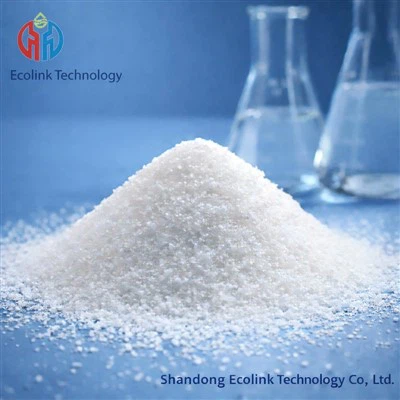
Potable Water Grade PAC is a high - quality coagulant that is specifically formulated for use in treating water intended for human consumption. It is produced with strict quality control measures to ensure that it meets the safety and purity standards required for drinking water treatment. The product typically has a high degree of polymerization and a relatively low content of impurities, which makes it highly effective in removing suspended solids, turbidity, and certain organic and inorganic contaminants from water.
Properties of Potable Water Grade PAC
- High Purity: Potable Water Grade PAC is manufactured with a focus on purity. It contains a very low level of heavy metals and other harmful substances, which is crucial for ensuring the safety of drinking water. This high - purity characteristic also makes it a potential candidate for industrial applications where low - impurity levels are required.
- Effective Coagulation: It has excellent coagulation properties. When added to water, it forms positively charged hydroxide complexes that neutralize the negative charges on suspended particles, causing them to clump together and settle out of the water. This process is essential for removing turbidity and improving water clarity.
- Wide pH Range Applicability: Potable Water Grade PAC can function effectively over a relatively wide pH range. This makes it versatile and suitable for treating various types of water sources, whether they are acidic, neutral, or slightly alkaline.
Advantages of Using Potable Water Grade PAC in Industrial Water Treatment
- Safety and Compliance: In industries where the quality of the treated water is critical, such as the food and beverage industry or the pharmaceutical industry, using Potable Water Grade PAC ensures compliance with strict safety and quality standards. For example, in the food and beverage industry, the water used in production processes must meet high - quality standards to ensure the safety of the final products. Using Potable Water Grade PAC can help achieve this. You can learn more about Food Grade Polyaluminum Chloride on our website.
- High - Quality Treatment: Due to its high purity and effective coagulation properties, Potable Water Grade PAC can provide high - quality water treatment results. It can effectively remove a wide range of contaminants, including suspended solids, colloids, and some dissolved organic matter. This can improve the overall quality of the industrial water, reducing the risk of equipment fouling and corrosion.
- Versatility: As mentioned earlier, its wide pH range applicability makes it suitable for treating different types of industrial wastewater. Whether it is from metal - finishing, textile, or chemical industries, Potable Water Grade PAC can be adjusted to work effectively in various water conditions.
Limitations of Using Potable Water Grade PAC in Industrial Water Treatment
- Cost: Potable Water Grade PAC is generally more expensive than other industrial - grade coagulants. This is because of the strict production processes and quality control measures required to meet the potable water standards. For industries with large - scale water treatment needs and tight budgets, the cost may be a significant limiting factor.
- Specific Contaminant Removal: While Potable Water Grade PAC is effective in removing many common contaminants, it may not be the most efficient solution for removing certain specific contaminants. For example, in some industrial wastewater containing high levels of heavy metals or specific organic pollutants, specialized treatment methods or other coagulants may be more appropriate.
Real - World Applications of Potable Water Grade PAC in Industrial Water Treatment
- Food and Beverage Industry: In this industry, water quality is of utmost importance. Potable Water Grade PAC is used to treat the water used in production processes, such as brewing, bottling, and food processing. It helps remove impurities and ensure the safety and quality of the final products.
- Pharmaceutical Industry: The pharmaceutical industry requires high - purity water for drug manufacturing. Potable Water Grade PAC can be used in the pre - treatment stage of water purification systems to remove suspended solids and other contaminants, ensuring that the water meets the strict quality requirements of the industry.
- Electronics Industry: In the electronics manufacturing process, high - quality water is needed to prevent contamination of electronic components. Potable Water Grade PAC can be used to treat the water used in cleaning and rinsing processes, improving the overall quality of the manufacturing process.
Comparison with Other Industrial - Grade Coagulants
When compared with other industrial - grade coagulants, such as Poly Aluminium Chloride 30, Potable Water Grade PAC has both similarities and differences. Industrial - grade coagulants are often formulated to be more cost - effective for large - scale industrial applications. However, they may not have the same level of purity as Potable Water Grade PAC.
Industrial - grade coagulants may contain higher levels of impurities, which can be a concern in industries where water quality is critical. On the other hand, Potable Water Grade PAC, with its high purity, can provide a more reliable and safe option for certain industrial applications, even though it comes at a higher cost.
Considerations for Using Potable Water Grade PAC in Industrial Water Treatment
- Water Quality Analysis: Before using Potable Water Grade PAC in industrial water treatment, a thorough water quality analysis should be conducted. This will help determine the type and concentration of contaminants in the water, as well as the appropriate dosage of the coagulant.
- Cost - Benefit Analysis: Industries need to conduct a cost - benefit analysis to determine whether the use of Potable Water Grade PAC is economically viable. Factors such as the cost of the coagulant, the volume of water to be treated, and the potential savings from improved water quality should be considered.
- Regulatory Compliance: Ensure that the use of Potable Water Grade PAC in industrial water treatment complies with all relevant environmental and safety regulations. Different industries may have specific requirements regarding the use of chemicals in water treatment.
Conclusion
In conclusion, Potable Water Grade PAC can be used in industrial water treatment, especially in industries where high - quality water is required. Its high purity, effective coagulation properties, and wide pH range applicability make it a suitable option for treating various types of industrial wastewater. However, the cost and specific contaminant removal limitations should also be taken into account.
If you are interested in exploring the use of Potable Water Grade PAC in your industrial water treatment processes, we encourage you to contact us for further discussion and to explore potential solutions. Our team of experts can provide you with detailed information about our High Purity PAC and help you determine the most suitable product for your needs.


References
- AWWA. Water Treatment Principles and Design.
- Metcalf & Eddy. Wastewater Engineering: Treatment and Reuse.
- Environmental Protection Agency (EPA) guidelines on industrial water treatment.