
As a supplier of drinking grade polyaluminium chloride (PAC), I've witnessed firsthand the significant role this chemical plays in water treatment, especially in removing suspended solids from water. In this blog, I'll delve into the science behind it, its applications, and why it's a top choice for many water treatment facilities.
The Science Behind Drinking Grade Polyaluminium Chloride
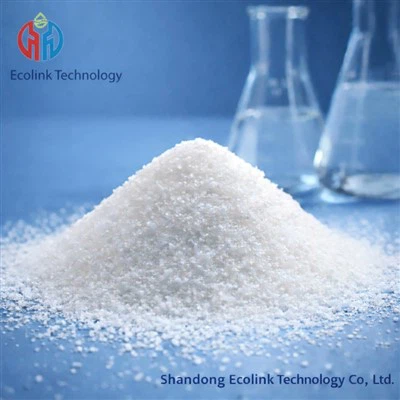
Drinking grade polyaluminium chloride is a highly effective coagulant used in water treatment. Its chemical formula is typically [Al₂(OH)ₙCl₆₋ₙ]ₘ, where n ranges from 1 to 5 and m is less than 10. The unique structure of PAC allows it to interact with suspended solids in water in several ways.
When PAC is added to water, it undergoes hydrolysis reactions. These reactions result in the formation of positively charged aluminum hydroxide complexes. Suspended solids in water are often negatively charged. The positively charged PAC complexes neutralize the negative charges on the suspended particles. This neutralization reduces the electrostatic repulsion between the particles, causing them to come closer together and form larger aggregates, a process known as coagulation.
Once the coagulation process has occurred, the larger aggregates, or flocs, are more easily removed from the water. They can settle to the bottom of a sedimentation tank or be filtered out using various filtration methods. This ability to form large, settleable flocs is one of the key advantages of using drinking grade PAC in water treatment.
Removing Suspended Solids from Water
Suspended solids in water can come from a variety of sources, including soil erosion, industrial discharges, and organic matter decomposition. These solids can make water appear cloudy or turbid, and they can also harbor harmful microorganisms and other contaminants. Removing suspended solids is an essential step in producing clean, safe drinking water.
Drinking grade PAC is particularly effective at removing a wide range of suspended solids, including clay, silt, and organic matter. Its high charge density and ability to form strong flocs make it suitable for treating water with high turbidity levels. In addition, PAC can work effectively over a wide pH range, typically from 5 to 9, which is common in most natural water sources.
One of the main benefits of using drinking grade PAC is its efficiency. Compared to other coagulants, such as aluminum sulfate (alum), PAC can achieve the same level of turbidity removal with a lower dosage. This not only reduces the cost of water treatment but also minimizes the amount of sludge generated during the treatment process.
Applications of Drinking Grade Polyaluminium Chloride
Drinking grade PAC is widely used in municipal water treatment plants around the world. It is an essential component in the treatment process for removing suspended solids, as well as for reducing color, odor, and other contaminants in water. By effectively removing suspended solids, PAC helps to improve the clarity and quality of drinking water, making it safe for consumption.
In addition to municipal water treatment, drinking grade PAC is also used in industrial water treatment applications. Many industries, such as food and beverage, pharmaceutical, and electronics, require high-quality water for their processes. PAC can be used to treat raw water sources to meet the specific quality requirements of these industries.
Another important application of drinking grade PAC is in the treatment of surface water sources, such as rivers, lakes, and reservoirs. These water sources are often contaminated with suspended solids, as well as other pollutants, such as heavy metals and pesticides. PAC can be used to remove these contaminants and make the water suitable for various uses, including drinking, irrigation, and industrial processes.
Advantages of Our Drinking Grade Polyaluminium Chloride
As a supplier of drinking grade PAC, we take pride in offering high-quality products that meet the strictest standards for drinking water treatment. Our Drinking Water Grade PAC 30% is a premium product that contains 30% aluminum oxide (Al₂O₃). This high concentration of aluminum oxide ensures maximum coagulation efficiency and effective removal of suspended solids from water.
Our Poly Aluminium Chloride for Drinking Water is also formulated to be highly soluble in water, which allows for easy and efficient dosing. It can be added directly to the water treatment process without the need for pre-dissolution, saving time and labor.


In addition, our Potable Water Grade PAC is produced using advanced manufacturing processes that ensure consistent quality and performance. We adhere to strict quality control measures to ensure that our products meet or exceed the requirements of national and international standards for drinking water treatment.
Contact Us for Your Drinking Grade PAC Needs
If you're in the market for high-quality drinking grade polyaluminium chloride, look no further. Our products are trusted by water treatment facilities around the world for their effectiveness, reliability, and safety. Whether you're a municipal water treatment plant, an industrial water user, or a distributor, we can provide you with the right solution for your water treatment needs.
Contact us today to learn more about our drinking grade PAC products and how they can help you achieve your water treatment goals. We're committed to providing excellent customer service and technical support to ensure that you get the most out of our products.
References
- Letterman, R. D., & Clark, R. M. (1999). Coagulation and flocculation. In Water Quality and Treatment: A Handbook of Community Water Supplies (5th ed., pp. 3 - 1 - 3 - 47). McGraw - Hill.
- Gregory, J., & Edzwald, J. K. (2009). Coagulation and flocculation. In Water Treatment: Principles and Design (2nd ed., pp. 173 - 240). John Wiley & Sons.
- AWWA. (2017). Water Quality and Treatment: A Handbook of Community Water Supplies (6th ed.). American Water Works Association.